Family Financial Management Guide: Smart Strategies for 2026

Canadian families in 2026 are navigating a financial world that is more complex and fast-changing than ever. If you want to feel confident about your future, mastering family financial management is essential. This guide gives you practical, up-to-date strategies to help your family stay resilient, achieve important goals, and build lasting wealth. You’ll discover how to assess your current finances, set clear goals, create a budget that works, manage risks, invest wisely, and boost financial literacy at home. Let’s get started on a path to greater security and opportunity—one smart decision at a time.
Assessing Your Family’s Financial Baseline
Before you can chart a new course, you need to know exactly where your family stands today. Assessing your family financial management baseline is the crucial first step toward building stability and long-term wealth. Let’s break down the process into clear, actionable steps for every Canadian family.
Understanding Your Income Streams
Start by listing all income your household receives. Go beyond salaries to include bonuses, freelance gigs, rental income, government benefits, or dividends. Many families with multiple earners forget to count side hustles or investment payouts, which can skew family financial management efforts.
Don’t forget variable income. If someone in your family does seasonal work or gig jobs, track these fluctuations with budgeting apps. Digital tools like Mint or spreadsheets can help you capture every dollar. Did you know that over 35% of Canadian households now report having non-traditional income streams? Accurate tracking sets the stage for smarter decisions.
Cataloguing Expenses and Debt
Next, list all your regular expenses. Divide them into fixed (mortgage, utilities) and variable (groceries, entertainment, subscriptions). Remember to include annual costs like insurance premiums, holiday spending, or school fees.
Now, write down every debt: mortgages, car loans, credit cards, or student loans. For a deeper look at Canadian debt trends and how they impact family financial management, check out the Canadian Consumer Debtor Profile 2024. Use expense-tracking apps to spot overspending patterns and keep your budget honest.
Calculating Net Worth and Cash Flow
Understanding your net worth is like checking your family’s financial health score. To calculate it, subtract what you owe (liabilities) from what you own (assets). List things like your home, vehicles, savings, and investments as assets, then subtract debts.
Example Asset | Value | Example Debt | Amount |
Home equity | $300K | Mortgage | $220K |
Savings & Investments | $45K | Credit cards | $8K |
Vehicles | $20K | Student loans | $15K |
Monthly cash flow is just as vital. Subtract your total expenses from your total income. Small, recurring costs—like daily coffees or streaming services—can quietly drain your resources. Review your net worth and cash flow every quarter or six months to track family financial management progress.
Recognizing Financial Pain Points
Every family faces unique financial stressors. Common pain points include high debt, little savings, unpredictable income, or rising living costs. Open family meetings can uncover hidden worries or goals.
Did you know poor communication is one of the main reasons families argue over money? Addressing these pain points early creates a safe space for honest dialogue, keeping your family financial management goals on track.
Setting a Baseline for Progress
Finally, document your starting point. Set clear benchmarks, such as reducing debt by 10% or increasing emergency savings by $2,000. Write down your family’s initial numbers so you can compare results over time.
When families see their progress, motivation soars. Clear baselines make it easy to celebrate wins and adjust plans when life throws a curveball. With a solid family financial management baseline, you’re ready to move forward with confidence.
Setting Clear Family Financial Goals for 2026 and Beyond
Setting the right goals is the heartbeat of family financial management. Without clear direction, it’s easy to drift or misalign priorities. Let’s break down how your family can define, align, prioritize, and track meaningful financial goals for 2026 and beyond.
Defining Short-, Medium-, and Long-Term Goals
Every strong family financial management plan starts with specific goals. Think about what your family wants to achieve in the next year, five years, and decades ahead. Short-term goals could include building an emergency fund, while medium-term goals might focus on home renovations. Long-term goals often center on children’s education or retirement.
To make your goals stick, use the SMART method: Specific, Measurable, Achievable, Relevant, and Time-bound. According to research, households with clear goals save twice as much as those without. If you’re looking for more guidance, check out these Family financial management strategies for step-by-step planning tips.
Aligning Goals with Family Values
Family financial management works best when your goals reflect what matters most to everyone in your household. Start with an open conversation. Is your family’s top priority financial security, memorable experiences, or leaving a legacy?
List core values together
Match each goal to a value
Encourage buy-in from every family member
When everyone’s voice is heard, your goals become shared dreams, not just numbers on a page.
Prioritizing and Sequencing Goals
Not all goals can happen at once. Effective family financial management means ranking your goals by urgency and importance. For example, building an emergency fund should come before investing for a vacation.
Create a visual goal tracker or chart
Allocate resources based on priority
Revisit priorities as circumstances change
Visual aids keep everyone motivated and focused on what matters most right now.
Creating Milestones and Accountability
Breaking big goals into smaller milestones makes progress visible and achievable. Assign family members specific responsibilities, such as tracking savings or managing debt reduction. Hold regular family check-ins to review progress.
Set deadlines for each milestone
Celebrate small wins
Adjust plans as needed
Regular reviews and clear accountability help keep family financial management on track and prevent goals from slipping away.
Adapting Goals to Life Changes
Life is unpredictable, so your family financial management plan must be flexible. Major events like a new job, a new child, or health challenges may shift your priorities.
Schedule annual goal reviews
Update goals after big life events
Stay open to change and communicate openly
A flexible approach ensures your family’s financial plan remains relevant, resilient, and ready for whatever 2026 brings.
Building a Future-Proof Family Budget
Creating a future-proof family budget is the foundation of strong family financial management. In 2026, it is more important than ever to ensure your budget adapts to economic changes, supports your goals, and keeps everyone in the loop. Let’s break down the steps to build a resilient budget that works for every member of your household.
Gathering Accurate Income and Expense Data
Start by bringing together every source of household income. This includes salaries, side hustles, government benefits, rental income, and even gig work. Many families overlook irregular sources, which leads to surprises down the line.
Next, categorize your expenses. Fixed costs like rent or mortgage, utilities, and insurance come first. Then, add variable expenses, including groceries, subscriptions, and entertainment. Don’t forget annual costs, such as property taxes or school fees, which can disrupt your budget if ignored.
Digital tools like Mint, YNAB, or custom spreadsheets make it easy to track and visualize where your money goes. Tracking is the heart of family financial management because it reveals spending patterns and highlights problem areas.
For context, the Desjardins report on household finances 2024 shows that Canadian households are facing new financial pressures, making accurate data collection more vital than ever.
Choosing a Budgeting Method That Works
There’s no one-size-fits-all solution for budgeting. The right method depends on your family’s habits and needs. The 50/30/20 rule is popular: 50% for needs, 30% for wants, and 20% for savings or debt. Zero-based budgeting assigns every dollar a job, so nothing slips through the cracks.
Prefer cash? The envelope system helps control discretionary spending by separating funds into categories. Families using a structured approach to family financial management often see a reduction in overspending and more progress toward their goals.
Try different methods to see what fits best. The key is consistency and transparency so every dollar is accounted for and every family member understands the plan.
Identifying and Reducing Unnecessary Expenses
A future-proof budget is lean, not mean. Audit your spending for subscriptions you no longer use, frequent takeout meals, or impulse buys. These small leaks add up quickly and can undermine your family financial management efforts.
Negotiate your bills where possible, such as phone plans or insurance premiums. Even a few calls can lead to meaningful savings. Cutting just one unused streaming service can put hundreds back into your pocket each year.
Use expense-tracking apps to flag trends. When you can see your spending laid out, it’s easier to make decisions and set new priorities.
Planning for Irregular and Annual Expenses
Annual and irregular costs are the budget’s biggest curveballs. Plan ahead by setting aside a portion of your income each month for these expenses. This could be property taxes, back-to-school shopping, or holiday travel.
Create sinking funds for predictable but non-monthly costs. Labeling these savings clearly keeps them separate from daily spending. This strategy is a cornerstone of effective family financial management since it prevents debt spikes and last-minute scrambles.
A little planning here goes a long way toward peace of mind and financial stability for your household.
Automating Savings and Bill Payments
Automation is your budget’s best friend. Set up automatic transfers into savings or investment accounts right after payday. This “pay yourself first” habit ensures consistent progress toward your family financial management goals.
Automating bill payments helps avoid late fees and keeps your credit on track. Most banks and apps offer reminders or direct payment options. The less you have to remember, the more likely you are to stick to your plan.
Even small amounts add up when saved or invested automatically. Make automation a non-negotiable part of your routine.
Reviewing and Adjusting the Budget Regularly
Budgets are living documents, not set-it-and-forget-it plans. Schedule monthly or quarterly reviews to compare your actual spending with your targets. This is where family financial management truly shines, as it allows you to spot issues early and celebrate progress.
Life changes fast. Adjust your budget for new jobs, changes in income, or unexpected expenses. Involve family members in these reviews to keep everyone aware and motivated.
Visual aids, like charts or trackers, can make these reviews engaging and help keep your goals front and center.
Fostering Family Buy-In and Accountability
A budget only works if the whole family is on board. Hold regular family meetings to review the budget, discuss challenges, and celebrate wins. Make it interactive—use charts, stickers, or even rewards to keep kids and teens interested.
Assign responsibilities to different members, such as tracking spending or managing savings jars. This shared approach to family financial management builds teamwork and accountability.
Open communication reduces conflict and boosts confidence. When everyone understands the “why” behind your budget, sticking to it becomes a shared mission.
Managing Risk: Insurance, Emergency Funds, and Estate Planning
Managing risk is a core pillar of family financial management. It means preparing for the unexpected, protecting what matters, and ensuring your family’s future is secure. Let’s dive into the essential steps every Canadian family should take to build resilience in 2026.
Building a Robust Emergency Fund
An emergency fund is the safety net of family financial management. Aim to save three to six months of essential expenses in a high-interest savings account. If that feels overwhelming, start with just one month—every step counts.
Did you know only 40% of Canadian families have at least three months of savings set aside? Building this fund protects you from job loss, sudden illness, or home repairs. Make it a family goal to automate monthly contributions, turning small savings into a powerful buffer.
Reviewing and Updating Insurance Coverage
Insurance is the backbone of risk protection in family financial management. Review your policies for life, disability, critical illness, and property coverage. Check if your beneficiaries and coverage amounts reflect recent life changes like marriage, new children, or divorce.
Underinsured families often face financial hardship when emergencies strike. Schedule annual reviews to keep your coverage current and fill any gaps. Remember to compare rates and coverage options every few years for the best value.
Protecting Against Identity Theft and Fraud
With more of our lives online, identity theft has become a real threat to family financial management. Use strong passwords, enable two-factor authentication, and monitor your credit reports for suspicious activity.
In 2023, digital fraud cases in Canada rose by 20 percent. Teach your family how to spot scams and consider identity theft protection services for added peace of mind. Staying vigilant helps keep your finances and future safe.
Creating or Updating Wills and Powers of Attorney
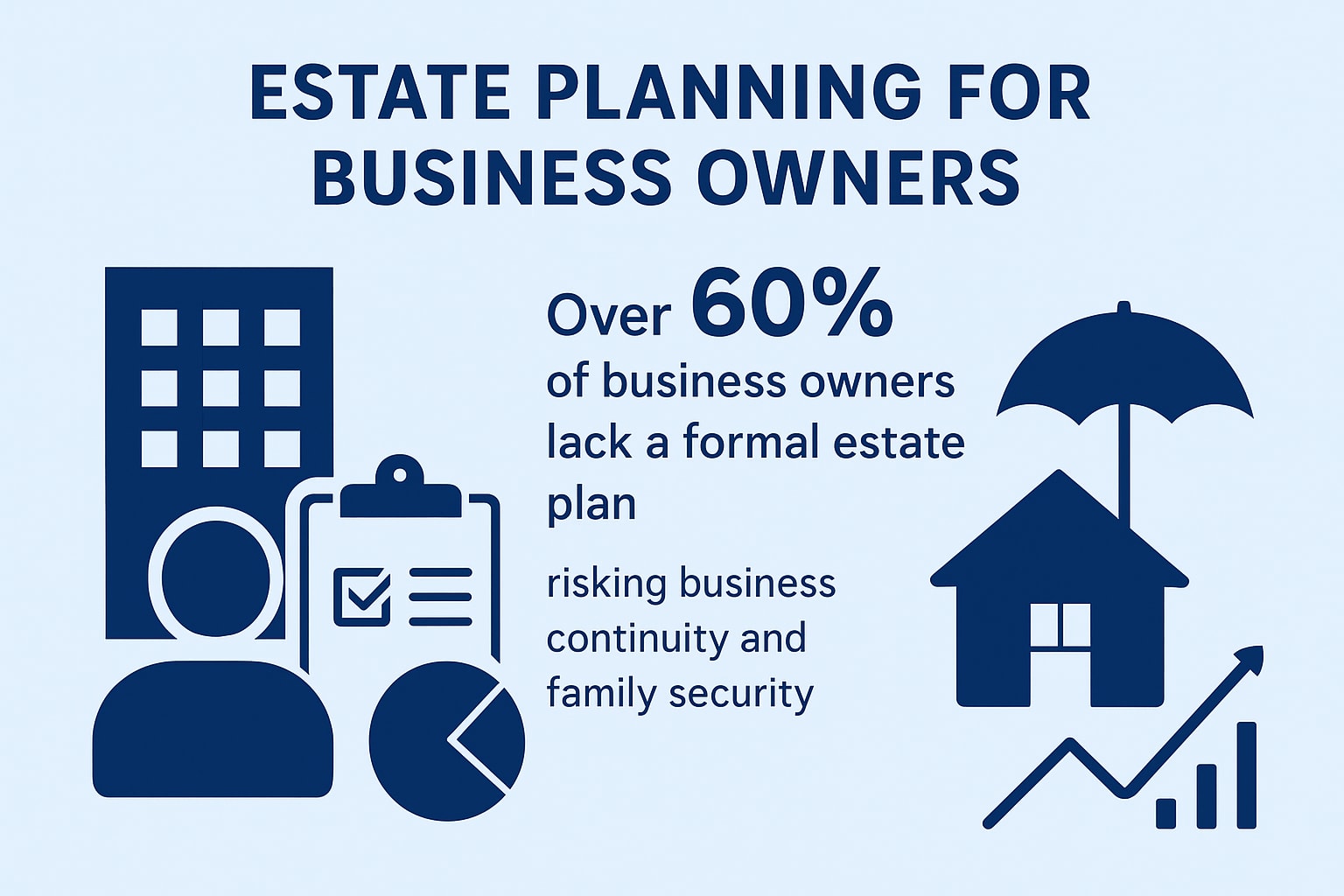
Estate planning is a crucial part of family financial management. Make sure your wills, living wills, and powers of attorney are up to date and easy to access. Discuss guardianship for minor children and outline clear healthcare directives.
Surprisingly, 56% of Canadians do not have an up-to-date will. For step-by-step guidance, refer to this helpful Estate planning and insurance guide to ensure your family’s wishes are protected and legally documented.
Organizing Important Documents
Keep all important documents organized and accessible. Use a secure home safe or digital vault for items like insurance policies, wills, investment statements, and emergency contacts.
Let trusted family members know where these documents are stored. Use a checklist to ensure nothing is missing—being organized can save precious time and stress during emergencies.
Planning for Intergenerational Wealth Transfer
Planning for wealth transfer is about more than money—it’s about legacy. Talk openly with your family about your intentions for property, heirlooms, and assets. Update beneficiary designations on insurance and investment accounts to reflect your wishes.
Clear communication and planning help prevent confusion and costly disputes later. Make wealth transfer a regular topic in your family financial management discussions to build trust and a lasting legacy.
Investing for Growth and Security in 2026
Investing is a cornerstone of family financial management, especially as Canadian families look to grow wealth and protect their future in 2026. With economic shifts and new opportunities on the horizon, understanding how to invest confidently can set your family up for both security and success.
Understanding Investment Options for Families
A smart family financial management plan starts with knowing your investment options. In Canada, popular accounts include RRSPs for retirement savings, TFSAs for flexible, tax-free growth, and RESPs, which help fund children’s education with government grants. Non-registered accounts offer additional flexibility. Diversifying across stocks, bonds, mutual funds, and ETFs helps manage risk and capture growth. For example, RESP contributions can be matched by up to $500 per child annually, making them a powerful tool for families planning ahead.
Setting an Investment Strategy Aligned with Goals
Every family’s goals are unique, so your investment strategy should reflect your time horizon and risk tolerance. Align your asset allocation with specific milestones, like a home purchase, retirement, or education costs. Rebalancing your portfolio each year keeps your investments in line with your goals and risk profile. According to Fidelity, families with written investment plans outperform others by 15 percent over a decade. Consistent review is a vital part of family financial management.
Maximizing Tax Efficiency
Tax efficiency can make a significant difference in your long-term returns. By utilizing tax-advantaged accounts such as RRSPs, TFSAs, and RESPs, families can lower their tax burden and grow their investments more efficiently. Techniques like tax-loss harvesting and deferring capital gains also help boost net returns. Even a 1 to 2 percent improvement each year can dramatically increase your family’s wealth over time, making tax planning an essential component of family financial management.
Planning for Major Life Events
Life brings change, and your investment approach should adapt accordingly. Whether you’re saving for a child’s education, planning a home renovation, or approaching retirement, adjusting your risk level as you near key milestones is vital. Laddering GICs, for instance, can provide predictable funds for education. By anticipating life events and integrating them into your family financial management strategy, you can stay prepared and resilient.
Teaching Children About Investing
Empowering kids and teens with investment knowledge is a gift that lasts a lifetime. Open youth-friendly accounts and let older children manage a small portfolio to learn firsthand. Use real-life examples to explain concepts like compound growth and market ups and downs. Incorporating investing lessons into your family financial management approach builds confidence and lifelong skills.
Avoiding Common Investment Pitfalls
Even experienced investors can fall into traps. Emotional investing, such as panic selling during downturns, can erode gains. Watch for high-fee products, which can reduce long-term returns by up to 30 percent. Staying disciplined and focusing on your family financial management plan helps avoid costly mistakes and keeps you on track toward your goals.
When to Seek Professional Advice
Complex financial situations sometimes require outside expertise. If your family financial management involves business ownership, blended families, or substantial inheritances, consider working with a professional. A Certified Financial Planner can offer tailored advice, ensure your plan remains current, and provide peace of mind during uncertain times.
Partnering with a Certified Financial Planner (CFP) brings holistic guidance to your family financial management journey. As regulations and markets change in 2026, a CFP can help you align investments, optimize taxes, plan for retirement, and manage your legacy. This approach ensures your plan adapts as your family grows. For those interested in building generational wealth and navigating complex financial landscapes, a CFP provides the expertise and clarity needed to thrive.
Raising Financially Savvy Kids and Teens
Empowering your children to become confident money managers is one of the most rewarding parts of family financial management. By making financial education a regular part of family life, you give kids the tools to thrive—today and in the future.
Age-Appropriate Money Lessons
Start early by introducing basic money ideas like saving, spending, and sharing for young children. As they grow, add more complex concepts—budgeting, earning, and setting goals. For teens, discuss credit, investing, and the risks of online scams. Consistently including these lessons makes family financial management second nature. For practical tips, check out Raising financially savvy kids.
Using Allowances and Chores to Teach Value
Set up a regular allowance tied to chores that match your child’s age. This helps them connect effort with earning. Encourage them to split their money into jars or accounts for spending, saving, and giving. Small, hands-on experiences make financial lessons stick and support lifelong habits.
Involving Kids in Family Financial Decisions
Bring children into everyday decisions, like planning a grocery list or setting a family vacation budget. Let them help compare prices, make choices, and see the results of those decisions. This real-world participation builds confidence and gives them a sense of ownership over family financial management.
Teaching Digital Financial Literacy
With most teens using digital payment apps, it’s vital to cover online banking, mobile wallets, and cybersecurity. Teach them to spot scams, use strong passwords, and keep personal info safe. According to the CIBC financial literacy poll 2023, many Canadians wish they were better prepared, highlighting the importance of digital skills in family financial management.
Modeling Healthy Financial Behaviors
Kids learn by watching, so demonstrate budgeting, saving, and smart credit use in your own life. Share your successes and even your mistakes openly. This honesty shows that family financial management is a learning process for everyone and helps kids feel comfortable asking questions.
Leveraging Educational Resources and Tools
Make learning fun by using apps, games, and books designed for youth financial education. Attend workshops or webinars as a family to boost everyone’s skills. Families who use these resources often see more confidence and knowledge around family financial management.
Preparing Teens for Financial Independence
Open a student bank account with your teen and walk them through fees, interest, and how to track spending. Talk about part-time jobs, post-secondary expenses, and student loans. Encourage them to set goals like saving for a car or travel, building a foundation for strong family financial management in adulthood.
Leveraging Technology and Professional Guidance for 2026
In 2026, technology is transforming every aspect of family financial management. From budgeting apps to professional advice, Canadian families can now access powerful tools and expert support to make smarter, faster decisions. But how do you make the most of these resources, and where should you start?
Utilizing Financial Apps and Tools
Today’s families have a world of financial apps at their fingertips. Tools like Mint, YNAB, and Goodbudget help track spending, categorize expenses, and visualize financial goals. For investments, platforms such as Wealthsimple and Questrade make it easy to monitor portfolios and automate contributions.
Bill payment and reminder apps reduce the risk of late fees and keep your family financial management plan on track. By syncing accounts and using notifications, you gain a real-time snapshot of your money.
Embracing Automation for Efficiency
Automation is a game changer for busy households. Set up automatic savings transfers, investment contributions, and bill payments to build consistency and reduce manual errors. Alerts and notifications keep you informed without constant oversight.
Research shows that automation boosts savings rates and lowers missed payments. Building family financial management habits around automation means less stress and more reliable progress.
Accessing Online Financial Education
Online learning has exploded in popularity, offering families webinars, courses, and podcasts on every financial topic imaginable. Whether you want to brush up on investing basics or dive deep into tax strategies, there’s a resource for every stage of your journey.
In 2023, online financial course enrollments grew by 30 percent, reflecting a hunger for knowledge. These resources empower your family financial management approach and keep you up to date with new tools and regulations.
Knowing When to Seek Professional Help
Life events such as marriage, divorce, or inheritance can complicate your finances. When tax or estate situations get tricky, a professional’s perspective is invaluable. Regular reviews with a financial planner keep your family financial management strategy current and aligned with your goals.
Don’t wait for a crisis. Proactive guidance can prevent costly mistakes and set your family up for lasting success.
Evaluating and Choosing Financial Professionals
Choosing the right advisor is crucial. Look for credentials like CFP or RRC, and ask about their fee structures and services. A fiduciary duty ensures your family financial management interests come first.
Families who partner with professionals report higher satisfaction and more confidence in their financial decisions. Use a checklist to compare options and find the right fit.
Integrating Technology with Human Advice
The smartest families blend digital tools with expert guidance. Use apps for daily management, and rely on professionals for strategy and big milestones. For those interested in long-term planning, combining technology with expert advice supports building generational wealth and smoother wealth transfer.
This hybrid approach provides both convenience and peace of mind, making family financial management more effective and future-ready.
Staying Flexible and Future-Ready
Technology and regulations are always evolving. Regularly update your plans, experiment with new tools, and hold family meetings to discuss changes. Encourage a culture of learning and adaptation so your family financial management strategy stays resilient, no matter what the future brings. You’ve just explored a toolkit of practical strategies for navigating your family’s finances in 2026—from mapping out your income and expenses to setting clear goals, budgeting with confidence, and preparing for the unexpected. But every family’s journey is unique, and sometimes a fresh perspective can make all the difference. Have questions about your plan, or just want to know you’re on the right track? I’m here to help you build clarity and confidence for your future. If you’re ready to take the next step, why not get a second opinion?

Comments