Estate Planning Insurance Guide: Secure Your Legacy in 2026

Are you prepared to protect your loved ones and ensure your legacy stands strong in 2026 and beyond? With changing laws and family needs, estate planning insurance is more important than ever. It not only helps safeguard your assets but also minimizes taxes and ensures your wishes are honored.
A well-structured estate plan using the right insurance solutions offers peace of mind and lasting financial security. Now is the perfect time to review and update your strategy for the years ahead.
This guide will show you how to use estate planning insurance to secure your legacy. We’ll explore key concepts, insurance types, practical steps, and expert tips for Canadians.
Estate Planning Essentials: Why Insurance Matters in 2026
Estate planning insurance is no longer just a concern for the ultra-wealthy or retirees. In 2026, it's an essential tool for anyone who wants to protect their loved ones and pass on their legacy smoothly. But what exactly is estate planning insurance, and why has it become so vital?
Estate planning is the process of organizing your assets, clarifying your wishes, and setting up protections for your heirs. The core goals are simple but powerful: transfer assets efficiently, minimize taxes, provide for dependents, and ensure your final wishes are honored. With changing regulations and family structures, estate planning insurance is now at the heart of these objectives.
Why does insurance matter so much in estate planning? Life insurance, disability insurance, and critical illness coverage all serve as financial safety nets. They create instant liquidity when it’s needed most, whether to pay off debts or cover final expenses. For example, life insurance can provide funds to your beneficiaries quickly, sidestepping the often lengthy and costly probate process.
Let’s break down the differences between wills, trusts, and insurance beneficiaries. A will directs how your assets are distributed, but those assets may get tied up in probate, delaying access for your heirs. Trusts can help avoid some delays, but can be complex and costly to set up. Insurance beneficiaries, on the other hand, receive proceeds directly, which means faster access to cash and less red tape.
The landscape of estate planning insurance is shifting rapidly. Demographic changes, such as an aging population and more blended families, are creating new challenges. Rising personal wealth and evolving tax laws mean that more Canadians are facing complex estate issues than ever before. According to recent data, the median cost of a funeral in 2023 was $8,300 for a burial and $6,280 for cremation. These expenses, along with taxes and debts, highlight the increasing need for liquidity at death.
Consider this real-world example: a family owns a vacation home and a successful business. One child wishes to inherit the business, while another prefers the vacation property. By using estate planning insurance, the parents can equalize inheritances. The child who receives the less valuable asset can be compensated with insurance proceeds, ensuring fairness and family harmony.
It’s a common misconception that estate planning insurance is only necessary for the very wealthy. In reality, anyone with assets, children, or even modest savings can benefit from a well-structured plan. Practical scenarios show that even middle-class Canadians can face significant taxes and expenses at death, making insurance a crucial part of the solution.
For a deeper dive into how to get started, check out this Guide to estate and legacy planning, which lays out the foundational steps and strategies.
Estate planning insurance is about more than just money—it’s about peace of mind, clarity, and ensuring your legacy is secure. By understanding its role and debunking the myths, you can take confident steps toward safeguarding your family’s future.
Types of Insurance for Estate Planning: Choosing the Right Solution
Choosing the right estate planning insurance can feel overwhelming, but understanding your options is the first step toward protecting your legacy. Have you ever wondered which insurance type best matches your goals or how these policies fit into your estate plan for 2026? Let’s break down the key products, their distinct benefits, and how to make the best choice for your family’s future.
Understanding Your Estate Planning Insurance Options
Estate planning insurance is not one-size-fits-all. The main types include term life, whole life, universal life, survivorship (second-to-die), and critical illness insurance. Each serves a specific purpose in an estate plan.
Term Life Insurance: Provides coverage for a set number of years, ideal for temporary needs.
Whole Life Insurance: Offers lifelong coverage with a cash value component, supporting long-term legacy goals.
Universal Life Insurance: Adds flexibility in premiums and death benefits, with investment features.
Survivorship Life Insurance: Covers two people, paying out after the second death, often used for wealth transfer and tax planning.
Critical Illness Insurance: Delivers a lump sum if diagnosed with a covered illness, helping protect estate value during a health crisis.
For a deeper dive into how these products work together, check out Life insurance and retirement planning, which explores how insurance choices align with estate planning insurance strategies.
Comparing Term vs. Permanent Insurance
Wondering which policy type provides the strongest foundation for estate planning insurance? Here’s a quick side-by-side comparison:
Feature | Term Life | Permanent Life (Whole/Universal) |
Duration | Fixed (10, 20, 30 years) | Lifetime |
Cost | Lower premiums | Higher premiums |
Cash Value | None | Grows over time |
Estate Planning Use | Covers temporary needs | Maximizes legacy, liquidity, tax |
Payout Timing | If death during term | Guaranteed at death |
Term life is budget-friendly and covers short-term obligations. Permanent policies are the preferred choice for estate planning insurance, ensuring liquidity and supporting complex legacy plans.
Survivorship Life Insurance: A Powerful Tool for Wealth Transfer
Survivorship or “second-to-die” insurance is unique. It covers two people, usually spouses, and pays the death benefit after both have passed. This approach is popular for estate planning insurance because:
It creates liquidity to pay taxes or equalize inheritances.
Premiums are lower compared to insuring each person separately.
It supports intergenerational wealth transfer and business succession.
For example, a healthy 55-year-old couple might pay $2,044 annually for a $100,000 survivorship policy, making it a cost-effective option in many estate planning insurance scenarios.
Disability and Critical Illness Insurance: Safeguarding Your Estate
Estate planning insurance goes beyond life coverage. Disability and critical illness insurance protect your estate if illness or injury strikes before death.
Disability insurance replaces income, preventing estate depletion.
Critical illness insurance provides a lump sum, covering medical or care costs.
These policies help ensure your estate remains intact for your heirs, even if your health takes an unexpected turn.
Factors Influencing Your Choice of Estate Planning Insurance
Not sure which policy fits your needs? Consider these factors:
Your age and health status
Family structure (blended families, dependents)
Business ownership or special assets
Legacy goals, such as charitable giving or supporting a special needs trust
Each family’s estate planning insurance needs are unique. Reflecting on these factors will help you select the right coverage.
Real-World Example: Funding a Special Needs Trust
Imagine a family with a child who has special needs. They use a whole life insurance policy to fund a trust, ensuring lifelong care and protecting government benefits.
This scenario highlights how estate planning insurance can be tailored for unique legacy requirements.
Pros and Cons of Each Insurance Type
Type | Pros | Cons |
Term Life | Affordable, simple, flexible terms | Expires, no cash value |
Whole Life | Lifetime coverage, builds cash, tax benefits | Higher cost |
Universal Life | Flexible, investment growth | Complex, market risk |
Survivorship | Cost-effective for couples, estate liquidity | No payout at first death |
Critical Illness | Immediate funds for illness | Limited conditions covered |
Choosing the right estate planning insurance is about matching features to your goals, not just picking the cheapest policy.
Choosing Wisely for Your Legacy
Estate planning insurance is a powerful tool for securing your family’s future. With the right combination of coverage, you can create liquidity, minimize taxes, and ensure your wishes are honored in 2026 and beyond.
Step-by-Step: Integrating Insurance into Your Estate Plan
Getting your estate planning insurance strategy right is like assembling a puzzle—you need all the right pieces in place to create a clear picture of security for your loved ones. Here is a simple, actionable roadmap to guide you through the process.
Step 1: Assess Your Estate’s Size, Liabilities, and Legacy Goals
Start by taking inventory of your assets and liabilities. What do you own—homes, investments, businesses, valuables? What debts or obligations might your estate need to cover?
Think about your legacy goals. Do you want to provide for minor children, support a spouse, or leave a charitable gift? This first step is crucial for tailoring your estate planning insurance to your unique circumstances.
Step 2: Calculate Your Insurance Needs
Next, estimate the amount of insurance required to cover all financial obligations. Add up outstanding debts, anticipated taxes, and the amount you wish to leave to heirs or charities.
Consider how much liquidity your estate will need at death. This calculation ensures your estate planning insurance can meet immediate cash needs, preventing loved ones from being forced to sell cherished assets.
Step 3: Select the Right Type and Amount of Insurance
Choosing the right policy type is critical. Should you opt for term, whole, or survivorship insurance? Term insurance covers a set period and is typically more affordable, while whole and universal life policies build cash value and last a lifetime.
Survivorship insurance, which pays out after the second spouse passes, is especially effective for wealth transfer and tax planning. Your age, health, family structure, and legacy goals all influence the best estate planning insurance solution.
Step 4: Name and Regularly Update Beneficiaries
Be meticulous when naming primary and contingent beneficiaries. Review these designations after major life events like marriage, divorce, or the birth of a child.
Updating beneficiaries ensures your estate planning insurance goes exactly where you intend, avoiding unintended consequences or family disputes.
Step 5: Align Insurance with Wills, Trusts, and Powers of Attorney
Coordinate your insurance policies with your will, trusts, and powers of attorney. This step ensures all elements of your estate plan work in harmony.
For Canadian readers, reviewing your plan alongside tax planning and estate strategies can optimize tax outcomes and protect your legacy from unexpected legal hurdles.
Step 6: Consider Setting Up an Irrevocable Life Insurance Trust (ILIT)
For larger estates or complex family needs, an ILIT can keep insurance proceeds out of your taxable estate and protect assets for your beneficiaries. This advanced strategy can enhance the efficiency of your estate planning insurance.
Step 7: Maintain Detailed Records and Inform Executors/Trustees
Keep comprehensive records of all insurance policies and beneficiary designations. Share key details with your executors or trustees, so they can act quickly when the time comes.
Regular reviews are essential, especially as laws change and family circumstances evolve.
Example: Coordinating a Buy-Sell Agreement with Life Insurance
Consider a business owner who wants to ensure a smooth transition for their company. By integrating estate planning insurance into a buy-sell agreement, co-owners can access funds to buy out the deceased partner’s share, keeping the business stable and the family protected.
This approach demonstrates how estate planning insurance is more than just a safety net—it is a strategic tool for both family and business continuity.
Data: Life Insurance Proceeds vs. Probate Delays
The speed at which insurance pays out can make a world of difference. Take a look at this quick comparison:
Payout Method | Typical Time to Receive Funds |
Life Insurance | 1–4 weeks |
Probate Process | 6–12 months or longer |
Life insurance proceeds are typically available within weeks, while probate can drag on for months. This immediate liquidity is one of the greatest strengths of estate planning insurance.
Common Pitfalls and How to Avoid Them
Even the best-laid plans can go awry without regular attention. Watch out for these common mistakes:
Forgetting to update beneficiaries after life changes, risking outdated intentions.
Overlooking the implications of joint ownership or old documents.
Failing to coordinate insurance with your will and trusts, causing confusion or delays.
Not informing executors or trustees about existing policies.
Assuming your estate planning insurance is a “set it and forget it” solution.
Avoiding these pitfalls is as simple as scheduling regular reviews and keeping communication open. Your legacy deserves nothing less.
Advanced Strategies: Addressing Unique Estate Planning Needs
Are you facing unique family or asset situations that make standard estate plans feel insufficient? You are not alone. Many Canadians are discovering that as their wealth grows and their family structures evolve, traditional approaches rarely address their true needs. In fact, only 15% of Canadians have estate plans, revealing a significant gap between intention and action. This is where advanced estate planning insurance strategies step in, helping you manage complexity and secure your legacy for generations.
Estate Equalization: Solving the Indivisible Asset Challenge
Consider a family with a successful business or a cherished cottage. These assets cannot be easily divided among heirs without causing conflict or forcing a sale. Estate planning insurance provides a solution by creating immediate liquidity that can help equalize inheritances. For example, survivorship life insurance pays out after both spouses pass away, offering a cost-effective way to provide cash to non-business heirs while allowing one child to inherit the business intact.
Comparison Table: Equalization Methods
Method | Liquidity | Probate Exposure | Tax Efficiency | Complexity |
Asset Sale | High | Yes | Variable | High |
Gifting During Lifetime | Medium | No | Medium | Medium |
Survivorship Insurance | High | No | High | Low |
With estate planning insurance, you can avoid forced sales and family disputes, making your legacy fair and harmonious.
Providing for Special Needs: Protecting Loved Ones’ Futures
Do you have a family member with special needs? Ensuring their long-term care without jeopardizing government benefits is a top priority. Estate planning insurance can fund a special needs trust, delivering resources directly to a trust that manages their care and financial security.
For instance, if parents purchase a permanent life insurance policy and name the trust as the beneficiary, the payout bypasses probate and remains protected from creditors. This approach ensures your loved one receives lifelong support, even if you are no longer there to provide it.
Fueling Charitable Giving: Leave a Lasting Legacy
If philanthropy is important to you, estate planning insurance can multiply your charitable impact. By naming a charity as a beneficiary or gifting a policy, you can create a larger donation than might be possible otherwise. Not only does this maximize your legacy, but it can also provide valuable tax credits to your estate.
Insurance proceeds are paid privately, shielding your wishes from public scrutiny and protecting assets from potential creditor claims. For more on maximizing legacy and minimizing tax, see these wealth transfer planning insights.
Business Succession and Blended Families: Customizing for Complexity
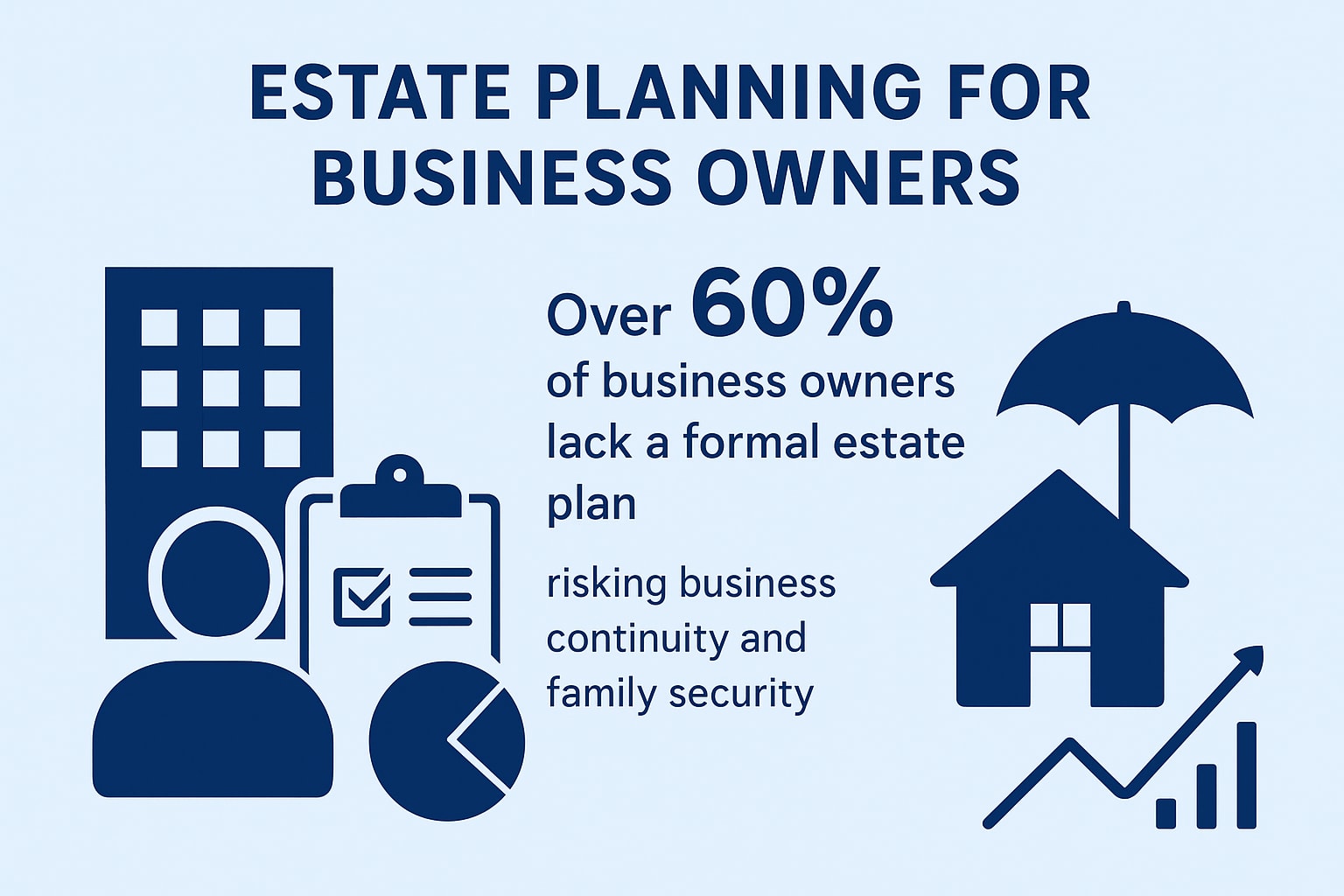
Business owners face the risk of disruption if a key partner passes away unexpectedly. Estate planning insurance is often used to fund buy-sell agreements or to provide key person coverage, ensuring the business remains stable and family members are treated fairly.
In blended families, advanced strategies are essential to balance competing interests and prevent future conflicts. Tailored estate planning insurance solutions—coordinated with legal and financial professionals—can help ensure every loved one is provided for according to your wishes.
The Value of Professional Guidance
Navigating these advanced estate planning insurance strategies requires more than a one-size-fits-all approach. Each family, business, and legacy goal is unique. By working with a qualified advisor, you can design a plan that adapts to your needs, protects vulnerable loved ones, and ensures your legacy endures.
Estate planning insurance is not just about passing on wealth—it is about providing clarity, confidence, and peace of mind for generations to come.
Estate Planning Insurance Success Stories and Expert Insights
What does a successful legacy look like in practice? For many Canadians, estate planning insurance has made the difference between family harmony and financial headaches. Let’s explore how real people have used these strategies, what experts recommend, and how you can apply their lessons to your own plan.
Real-Life Stories: Canadians Securing Their Legacy
Meet the Thompsons, a family who owned a lakeside cottage. When it came time to pass on their cherished retreat, they faced a challenge: one child wanted the property, the other did not. Their advisor suggested estate planning insurance. The solution? The cottage went to one child, while the other received equal value through a life insurance payout. The result was fairness, no forced sales, and lasting family bonds.
Next, consider Priya, a small business owner in Calgary. She wanted her children to inherit the business, but also needed to cover capital gains taxes and ensure her spouse was provided for. By integrating estate planning insurance, Priya used a permanent policy to create liquidity. When she passed, the insurance proceeds covered taxes and debts, keeping the business intact for her children.
For families with unique needs, like the Chans with a special needs child, estate planning insurance proved essential. They set up a trust funded by a whole life policy, ensuring their child’s care for decades to come without jeopardizing government benefits.
Lessons Learned: Avoiding Costly Mistakes
Many Canadians delay planning or assume a will is enough. However, real stories show how estate planning insurance can solve problems that might not be obvious at first glance. According to the IG Wealth Management Estate Planning Study, most Canadians still lack a formal estate plan, even as intergenerational wealth transfer reaches historic levels.
Here’s a quick look at common mistakes and how insurance helps:
Mistake | How Insurance Helps |
No liquidity for taxes | Pays out cash directly to heirs |
Unequal inheritances | Balances gifts without selling assets |
Delayed probate | Proceeds bypass probate, paying beneficiaries quickly |
Special needs overlooked | Funds trusts for long-term care |
Expert Tips for Estate Planning Insurance
Start early. Premiums are lower and more options are available when you’re younger.
Review your plan after major life events, such as marriage, divorce, or welcoming a new child.
Name primary and contingent beneficiaries, and keep them updated.
Coordinate your insurance with wills, trusts, and powers of attorney.
Work with a certified financial planner who understands Canadian tax laws and family dynamics.
The Importance of Regular Reviews
Estate planning insurance isn’t a set-and-forget tool. As your family grows, laws change, or your assets increase, your plan should evolve too. Regular reviews ensure your beneficiaries are current and your policies align with your goals. Surveys like the RBC Insurance survey shows gap in Canadians' estate planning reveal that while Canadians want to protect their families, many have not taken action. Don’t let inaction put your legacy at risk.
Common Questions Answered
Can estate planning insurance replace a will? No, both are needed for a complete plan.
What if my estate grows unexpectedly? Review and adjust your coverage as your assets increase.
How do I protect my business? Use insurance to fund buy-sell agreements and cover taxes.
Resources for Your Next Steps
Ready to take control? Use online calculators, consult a financial planner, and start conversations with your family. Estate planning insurance is more accessible than ever and offers peace of mind that your legacy will be preserved for generations. Now that you’ve seen how estate planning insurance can make all the difference for your family’s future, it’s a great time to reflect—are your own plans truly up to date for 2026 and beyond? With changing tax laws, evolving family situations, and new insurance solutions, there’s a lot to consider. You don’t have to figure it all out alone. I’m here to help you sort through the details, answer your questions, and create a plan that really fits your legacy goals. Ready to take that next step? Get started and let’s make sure your wishes become reality.

Comments