Retirement Plan With Life Insurance: The 2025 Guide for Beginners

Imagine a future where your retirement plan not only supports your lifestyle but also ensures your loved ones are always protected. That’s the unique strength of a retirement plan with life insurance.
In this guide, we’ll show you how a retirement plan with life insurance can become a cornerstone of financial security, especially as 2025 brings new challenges and opportunities for beginners. You’ll discover the basics, learn about different policy types, and get step-by-step strategies to craft your own plan.
We’ll highlight how this approach offers both stability and a lasting legacy. Ready to unlock these dual benefits? Let’s map out your path to a secure, flexible retirement.
Understanding Retirement Planning With Life Insurance
Retirement planning often brings images of RRSPs, TFSAs, or pension funds, but have you considered how a retirement plan with life insurance can redefine your financial future? This approach is gaining momentum, especially as more Canadians seek security and flexibility in their golden years. By merging protection and wealth-building, a retirement plan with life insurance can offer both peace of mind and practical benefits. Let’s break down what this means for beginners and why it deserves a spot in your financial toolkit.
What Is Retirement Planning With Life Insurance?
A retirement plan with life insurance is a strategy that blends the protection of life insurance with the goal of generating income and building wealth for retirement. Unlike traditional accounts like RRSPs, TFSAs, 401(k)s, or IRAs, a retirement plan with life insurance provides both a safety net for your loved ones and a cash value component you can access later in life.
The dual role of these policies means you’re not just protecting your family, but also accumulating savings that grow over time. For example, a family might use whole life insurance to build up cash value, then tap into those funds to supplement their retirement income, all while keeping coverage in place.
Why Consider Life Insurance for Retirement?
Many people worry about outliving their savings, and a retirement plan with life insurance directly addresses this concern. Life insurance can provide guaranteed death benefits for your heirs, plus tax-deferred cash value growth and flexible access to funds when you need them most.
The tax advantages are especially appealing. As outlined in the Tax Benefits of Life Insurance in Canada, you can enjoy tax-free withdrawals and loans (within limits), making your retirement dollars stretch further. Did you know that 43% of Canadians worry about outliving their retirement savings? With life insurance, you gain another layer of security and flexibility that traditional accounts may not offer.
Common Myths and Misconceptions
There are several myths about using a retirement plan with life insurance, which can prevent beginners from exploring its benefits. Let’s set the record straight:
“Life insurance is only for dependents.” In reality, policies can be powerful wealth-building tools for anyone.
“It’s too expensive for retirement planning.” While premiums can be higher, the cash value and flexibility often outweigh costs.
“Only high-net-worth individuals benefit.” Many policies are accessible to average families.
Confusion between permanent and term life insurance also leads to missed opportunities.
Imagine a couple in their 40s who chose universal life insurance, thinking it was out of reach. They discovered it offered affordable premiums, lifelong coverage, and a growing nest egg for retirement.
Key Benefits for Beginners
Starting a retirement plan with life insurance offers distinct advantages, especially if you’re just beginning your financial journey.
Simplicity: Policies are straightforward and predictable.
Protection: Safeguard your savings from market swings.
Legacy Building: Create generational wealth while funding your retirement.
Liquidity: Borrow or withdraw from your policy in emergencies.
Take the example of a young couple who started with universal life insurance. They enjoyed steady growth, peace of mind, and the ability to access funds for both planned and unexpected retirement expenses.
Potential Drawbacks and Considerations
While a retirement plan with life insurance brings many benefits, it’s not without challenges. The costs and premium commitments can be higher than traditional retirement options. These policies may also be more complex, requiring careful review of terms and features.
There’s the potential impact on government benefits like OAS or CPP, as well as possible surrender charges if you need to access funds early. Access limitations might catch you off guard, making professional guidance crucial. Before committing, consult with a qualified advisor to ensure your retirement plan with life insurance fits your goals and circumstances.
Types of Life Insurance for Retirement Planning
Choosing the right type of life insurance is a crucial step in building a successful retirement plan with life insurance. Each policy type offers unique features, benefits, and trade-offs. Understanding these differences helps you align your insurance strategy with your long-term retirement goals and risk tolerance. Let’s break down the main options, so you can make the best decision for your future.
Term Life vs. Permanent Life Insurance
When considering your retirement plan with life insurance, it’s essential to understand the two primary categories: term life and permanent life insurance. Term life provides coverage for a set period, like 10, 20, or 30 years, and is usually more affordable upfront. Permanent life, including whole and universal policies, lasts your entire life and builds cash value.
Here’s a quick comparison:
Feature | Term Life | Permanent Life |
Coverage Duration | Set term | Lifetime |
Premiums | Lower initially | Higher but fixed |
Cash Value | None | Yes |
Retirement Use | Limited | Strong potential |
For example, a 20-year term policy can act as a bridge to cover specific needs, while a permanent policy can supplement your income throughout retirement. Consider how each fits your overall retirement plan with life insurance.
Whole Life Insurance for Retirement
Whole life insurance offers guaranteed cash value growth, fixed premiums, and lifelong coverage, making it a popular option for those who want predictability in their retirement plan with life insurance. Over time, the policy accumulates cash value, which you can borrow against or withdraw, often tax-free if structured properly.
Whole life policies may also pay dividends, which can be used to purchase additional coverage, reduce premiums, or boost your policy’s cash value. Imagine using a whole life policy to take out a tax-free loan during retirement, supplementing your income without tapping into your RRSP or pension. This stability and flexibility make whole life a strong pillar for your retirement plan with life insurance.
Universal Life Insurance Explained
Universal life insurance adds flexibility to your retirement plan with life insurance. It offers adjustable premiums and death benefits, plus an investment component for potential cash value growth. You can increase or decrease your premium payments (within policy limits) and shift the death benefit to match your changing needs.
The investment portion lets you allocate funds among various options, potentially growing your cash value faster than with whole life. This can be especially effective for estate planning, as illustrated by professionals using universal life to pass wealth efficiently. With a universal policy, your retirement plan with life insurance can adapt as your goals evolve.
Participating vs. Non-Participating Policies
Participating policies share profits with policyholders in the form of dividends, while non-participating ones do not. If you’re building a retirement plan with life insurance, participating policies can offer extra value through dividend payments, which can be reinvested, used to pay premiums, or taken as cash.
Non-participating policies are simpler and have predictable costs, but lack dividend potential. Consider risk and reward: participating policies may boost your retirement income, but dividends are not guaranteed. For example, some retirees reinvest dividends to maximize their policy’s growth, creating a larger financial cushion for later years.
Choosing the Right Policy for Your Needs
Selecting the optimal policy for your retirement plan with life insurance starts with assessing your personal goals, risk tolerance, age, and health. Younger, healthier applicants often qualify for lower premiums, while those closer to retirement may prioritize guarantees and liquidity.
Work with a qualified advisor to customize your policy. Ask questions like:
What are my primary retirement goals?
How much risk am I comfortable taking?
How does my health affect my options?
What are the long-term costs and benefits?
For more insights on growing and protecting your retirement savings, explore these wealth building tactics for retirement. With the right guidance, you can confidently build a retirement plan with life insurance that supports your dreams and legacy.
Step-by-Step Guide: Building a Retirement Plan With Life Insurance
Creating a retirement plan with life insurance may seem complex, but breaking it into clear, actionable steps makes it much easier. Whether you’re just starting or revisiting your strategy for 2025, this guide walks you through each stage to help you build a solid foundation for your future.
Step 1: Assess Your Retirement Goals and Needs
Start your retirement plan with life insurance by identifying what you want your retirement to look like. Think about your desired lifestyle, annual income needs, and any big dreams you hope to achieve. Will you travel, downsize, or support family?
Factor in inflation, which can erode your purchasing power over time. Consider how long you might live—longevity is increasing, so plan for a long, healthy retirement. Healthcare and long-term care costs are also important to estimate.
For example, if you expect $60,000 per year in retirement and have $45,000 from other sources, you have a $15,000 annual income gap. Life insurance can help fill this gap while offering protection and flexibility.
Step 2: Evaluate Your Current Financial Position
Understanding where you stand financially is crucial to building a retirement plan with life insurance. List your assets (savings, property, investments) and liabilities (mortgage, loans).
Review your current insurance coverage and see if it aligns with your future needs. Assess your risk tolerance—are you comfortable with market ups and downs, or do you prefer stability? Don’t forget liquidity needs, since emergencies can arise.
A simple financial snapshot worksheet can help you organize this information:
Category | Amount ($) |
Savings | 30,000 |
Investments | 80,000 |
Debts | 50,000 |
Insurance | 250,000 (term) |
This clarity makes it easier to identify gaps and opportunities.
Step 3: Understand Policy Options and Features
Next, explore the policy types available for your retirement plan with life insurance. Compare term, whole, universal, and hybrid policies. Each offers unique features and benefits.
Consider riders and add-ons, such as long-term care, disability, or critical illness coverage, to enhance protection. Evaluate the cost-benefit of each option—what’s worth the premium?
For instance, some people blend term and permanent coverage to balance cost and lifelong benefits. Understanding these features ensures your plan fits your goals and budget.
Step 4: Calculate Coverage and Premiums Needed
Determining the right amount of coverage is essential for a strong retirement plan with life insurance. Use methods like Human Life Value (HLV) or Needs Analysis to estimate how much insurance you need.
Balance premium affordability with your desired benefits. Remember, your age and health significantly impact the cost—starting earlier usually means lower premiums.
Online calculators or advisor tools can assist you. For example, if you want to replace $500,000 in future income, consider how much you can comfortably pay each month without straining your finances.
Step 5: Integrate Life Insurance Into Your Retirement Strategy
This is where your retirement plan with life insurance becomes a true asset. Use the policy’s cash value for supplemental income during retirement. Understand the difference between policy loans and withdrawals—loans can be tax-efficient but may reduce your death benefit.
Coordinate your insurance with pensions, RRSPs, TFSAs, and other assets for a holistic approach. Business owners can use insurance to fund buy-sell agreements, ensuring succession and stability.
For more insights on how life insurance supports legacy and estate goals, consider reviewing this Estate and legacy planning guide.
Step 6: Monitor and Adjust Your Plan Over Time
A retirement plan with life insurance is not a one-time setup. Schedule regular reviews to track your policy’s performance and ensure it remains aligned with your life changes.
Major events—like marriage, children, health shifts, or business growth—may require policy upgrades or conversions. Use an annual checklist to stay organized:
Review coverage and beneficiaries
Check policy performance
Adjust for any lifestyle or financial changes
Staying proactive keeps your plan resilient.
Step 7: Work With a Certified Financial Planner
Finally, partnering with a qualified advisor is key to optimizing your retirement plan with life insurance. A CFP® or RRC can customize strategies to your unique needs, help you avoid common pitfalls, and maximize your benefits.
Ask your planner questions like:
How does this policy fit my overall plan?
What are the long-term costs and benefits?
How will this impact my tax and estate situation?
With expert guidance, you can move forward confidently, knowing your retirement and legacy are secure.
Tax, Estate, and Legacy Benefits of Life Insurance in Retirement
Making the most of your retirement plan with life insurance means understanding its powerful advantages for taxes, estate planning, and leaving a legacy. Let’s break down how these benefits work in real life and why they matter for your future security and your loved ones.
Tax Advantages of Life Insurance
A retirement plan with life insurance offers unique tax perks that can help you keep more of your money. Permanent policies grow cash value tax-deferred, so you won’t pay taxes on gains as long as they stay inside the policy.
When it’s time to supplement your retirement income, you can use policy loans or withdrawals, often tax-free if you stay within certain limits. Plus, when you pass away, your beneficiaries receive a tax-free death benefit, giving them a financial cushion without a tax bill.
For example, many retirees use policy loans to access extra cash in a tax-efficient way, reducing their reliance on fully taxable RRSP withdrawals. This flexibility is a key reason why a retirement plan with life insurance stands out from other retirement tools.
Estate Planning and Wealth Transfer
One of the most valuable features of a retirement plan with life insurance is its role in estate planning. Life insurance proceeds bypass probate, so your loved ones get funds quickly, avoiding delays and extra fees. By naming beneficiaries directly, you ensure the money goes exactly where you want.
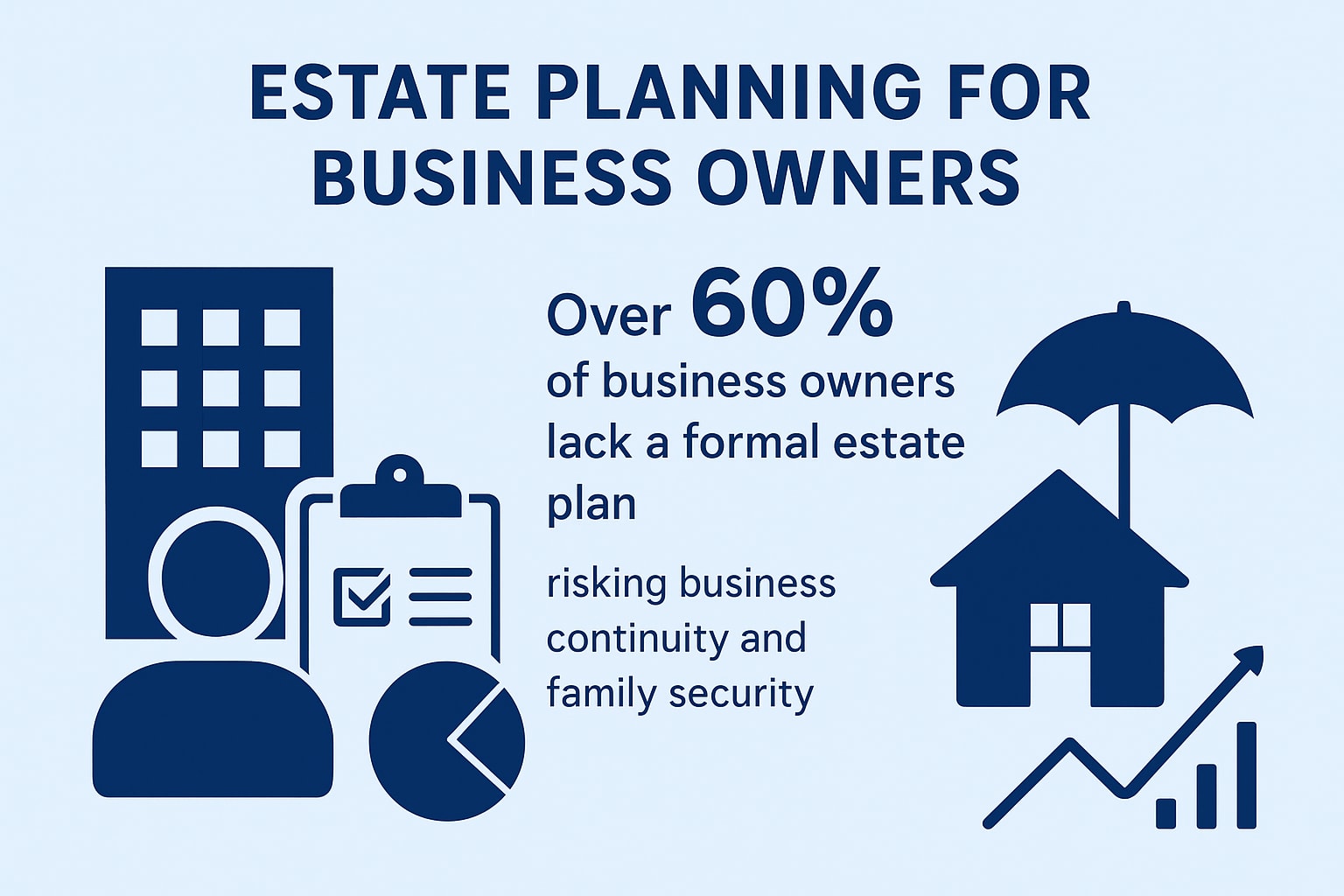
Life insurance can also minimize estate taxes, especially for larger estates. It’s a smart vehicle for charitable giving, letting you leave a legacy to your favorite cause. Did you know that 62% of Canadians lack a formal estate plan? (CIBC, 2022). For a deeper dive into these strategies, check out these Tax and estate planning insights.
Whether you want to fund a grandchild’s education or make a charitable impact, a retirement plan with life insurance can help you achieve your legacy goals.
Protecting Your Family and Business
A retirement plan with life insurance isn’t just about your own security. It’s also a tool for protecting your family and your business. If you have dependents, a policy ensures they’ll have financial support if you pass away.
For business owners, life insurance can fund buy-sell agreements or provide key person coverage. This makes transitions smoother and protects your company’s future. You can also use the policy’s cash value to help fund legacy goals, like setting up an education fund or supporting a charity.
With the right retirement plan with life insurance, you can secure your family’s lifestyle and keep your business running smoothly, no matter what life brings.
Avoiding Common Tax Pitfalls
While the tax benefits of a retirement plan with life insurance are impressive, there are pitfalls to watch for. Policy loans and withdrawals can trigger taxes if you exceed limits or don’t follow CRA rules. Improper beneficiary designations may lead to unexpected taxes or delays.
Government benefits like OAS could be affected if your taxable income rises due to large withdrawals. To stay on track, review this checklist annually:
Check beneficiary designations
Monitor policy loans and withdrawals
Track changes in tax laws
Review how life insurance fits with your overall retirement plan with life insurance
Regular reviews with a professional help you avoid costly mistakes.
Real-World Scenarios and Success Stories
Let’s look at how a retirement plan with life insurance works in practice. One retiree used whole life insurance to fund a grandchild’s education, combining tax-free death benefits with living benefits through policy loans.
Another professional leveraged universal life insurance for charitable giving, creating a lasting impact while enjoying tax advantages. In a family business, life insurance funded a buyout, ensuring a smooth transition and protecting the company’s legacy.
These stories highlight the flexibility and power of a retirement plan with life insurance to support your goals—whether it’s family, charity, or business succession.
Are you looking to build a retirement plan with life insurance that is truly tailored to your unique needs? Working with a certified financial planner can be the game-changer in your journey toward financial confidence and a lasting legacy.
Matthew Sheppard-Brown, CFP®, RRC, takes a holistic approach that brings together insurance, investments, tax, and estate planning. This means your retirement plan with life insurance is never just a standalone product, but a core pillar within your broader financial roadmap.
Matthew specializes in crafting strategies for business owners, professionals, and families who want clarity and control. He creates plans that address both wealth protection and income generation, ensuring your retirement plan with life insurance evolves with your life stages.
Why work with one trusted advisor?
One point of contact for all your financial needs
Seamless integration of insurance, investments, and legacy planning
Ongoing guidance and annual reviews to keep your plan on track
For those with complex needs or higher net worth, Matthew provides solutions that go beyond the basics. If you are interested in advanced approaches, check out his insights on Comprehensive high-net-worth strategies.
Clients often share stories about how a personalized retirement plan with life insurance changed their perspective. For example, a business owner was able to protect her family and fund a future buy-sell agreement, while a young professional couple found peace of mind knowing their growing family would be secure, no matter what life brings.
Matthew offers flexible ways to connect, with both virtual and in-person consultations available across Alberta, BC, Saskatchewan, Ontario, and the Northwest Territories. His compensation is transparent, and there are no strict asset minimums, making guidance accessible for those committed to their financial goals.
Education is at the heart of Matthew’s practice. You will find webinars, guides, and ongoing support to boost your financial literacy and confidence every step of the way.
Ready to take the next step? Book a personalized consultation with Matthew Sheppard-Brown and discover how a retirement plan with life insurance can secure your future and your family’s legacy.
Tips, Best Practices, and Common Mistakes to Avoid
Making the most of your retirement plan with life insurance requires a blend of smart strategies, regular reviews, and awareness of common pitfalls. Let’s break down actionable tips, best practices, and mistakes to steer clear of as you build your financial future.
Tips for Maximizing Retirement Income With Life Insurance
Starting your retirement plan with life insurance early can be a game changer. The sooner you begin, the more your cash value can grow over time, providing a stronger financial base.
Consider using policy loans for tax-efficient withdrawals during retirement. This approach helps you access funds without triggering immediate tax bills. Always review and update your beneficiaries to ensure your legacy is protected.
Diversifying your retirement plan with life insurance by mixing different policy types and investment options can also reduce risk and boost long-term returns. Regularly revisit your strategy to make sure it stays aligned with your evolving needs.
Best Practices for Policy Management
Effective management of your retirement plan with life insurance starts with annual policy reviews. Meeting with your advisor each year helps you track performance and make timely adjustments.
Keep documentation organized and share policy details with family members or trusted contacts. This transparency ensures your loved ones know how to access benefits if they need to.
Stay informed about changes in regulations and tax laws that might impact your retirement plan with life insurance. Being proactive helps you avoid unpleasant surprises and keeps your plan running smoothly for years to come.
Mistakes Beginners Should Avoid
One common error when starting a retirement plan with life insurance is underestimating the cost of premiums. Overcommitting can strain your budget and put your policy at risk.
Missing payments or letting your policy lapse can undo years of planning. Set up reminders or automatic payments to stay on track. Be cautious with loans and withdrawals, as these can reduce your death benefit and may create tax issues if mishandled.
Finally, skipping professional advice is a mistake. A certified planner can help you avoid these pitfalls and tailor your retirement plan with life insurance to your unique situation.
Comparing Life Insurance to Other Retirement Tools
How does a retirement plan with life insurance stack up against RRSPs, TFSAs, pensions, or annuities? Each tool has strengths and limitations. Life insurance offers protection, cash value growth, and legacy benefits, while RRSPs and TFSAs focus on tax-advantaged savings.
For context, Retirement Savings Trends in Canada shows that more Canadians are using registered savings accounts, but gaps remain in coverage and participation. Integrating multiple vehicles, including life insurance, can help you build a more resilient retirement plan.
Tool | Growth Potential | Flexibility | Legacy Benefit |
Life Insurance | Moderate | High | Strong |
RRSP | High | Moderate | Weak |
TFSA | High | High | Weak |
Pension | Moderate | Low | Weak |
Resources for Further Learning
Building a retirement plan with life insurance is a journey, and having the right resources can make all the difference. Check out books, podcasts, and webinars focused on retirement strategies and life insurance basics.
Online calculators and planning tools can help you estimate coverage needs and compare policy options. When you’re ready for personalized advice, look for certified advisors and professional organizations in your area.
Canadian retirees can also turn to government and regulatory websites for up-to-date information on benefits and policy changes. Staying informed empowers you to make smarter decisions about your retirement plan with life insurance. You’ve just taken a big step in understanding how life insurance can shape a secure, flexible retirement—protecting your family, building your legacy, and giving you peace of mind as you plan for the future. If you’re curious about how these strategies could work for your unique situation, why not take the next step? I’d love to help you see new possibilities or simply give you a second opinion on your plans. Let’s make sure you’re on the right track for 2025 and beyond. Ready to start the conversation? Get a second opinion
Comments