Purpose Of Planning Guide: Unlocking Success In 2026

In a rapidly changing world, success in 2026 will belong to those who plan with precision and purpose. The purpose of planning is no longer just about organizing tasks, but about unlocking your true potential and achieving ambitious goals in uncertain times.
This guide will show you how mastering the purpose of planning can transform your approach, whether you are leading a team or mapping out personal milestones. You will discover why planning is essential, what makes it effective, and how to put proven strategies into action.
Ready to minimize risks, maximize resources, and set yourself up for real results? Dive in and unlock the secrets to strategic success in 2026.
Understanding the Nature of Planning
Planning is no longer a luxury—it's a necessity in today's fast-paced world. The purpose of planning has grown in significance as individuals and organizations face unprecedented complexity, rapid technological change, and shifting economic landscapes. Mastering the art of planning is the foundation for success in 2026 and beyond.
Defining Planning in Modern Contexts
The purpose of planning is to act as a guiding force, helping us decide in advance what actions to take, how to take them, when, and by whom. This forward-thinking approach bridges the gap between our current position and the future we desire, making it fundamental for both personal growth and organizational achievement.
As management experts Harold Koontz and Cyril O’Donell noted, “Planning makes it possible for things to occur which would not otherwise happen.” Leading companies leverage the purpose of planning to anticipate market shifts, innovate, and stay ahead of competitors. In fact, 70% of businesses with formal planning processes outperform their peers, according to Importance of Strategic Planning for Business Success.
Key Characteristics of Effective Planning
Effective planning is pervasive, meaning it touches every level of management and personal life. The purpose of planning is to serve as the primary step before organizing, leading, and controlling any initiative. Planning is continuous, adapting as situations evolve, and is flexible enough to handle unexpected changes.
It is always goal-oriented, focusing on clear objectives, and integrates all activities to ensure alignment. Planning looks forward, anticipating challenges and opportunities. It is both intellectual and factual, relying on analysis, creativity, and past experiences. These characteristics ensure that the purpose of planning leads to meaningful, actionable results.
Table: Characteristics of Effective Planning
Characteristic | Description |
Pervasiveness | Applies everywhere |
Primary | First management function |
Continuous | Never-ending process |
Flexibility | Adapts to change |
Goal-oriented | Focuses on objectives |
Integrated | Aligns all activities |
Forward-looking | Anticipates future |
Intellectual | Analytical, creative |
The Role of Planning in 2026’s Dynamic Environment
By 2026, global trends like technology shifts, remote work, and economic fluctuations will make planning even more vital. The purpose of planning is to build agility, so individuals and organizations can quickly adapt to change and capitalize on new opportunities.
During recent disruptions, such as the pandemic, businesses that updated their plans quarterly were 30% more likely to hit their targets. Planning also drives innovation and resilience, allowing organizations to pivot quickly when needed. In this dynamic environment, the purpose of planning is to ensure you do not just survive, but thrive amid uncertainty.
Common Misconceptions About Planning
Many believe planning is rigid or stifles creativity, but the true purpose of planning is to foster innovation by providing a clear structure to explore new ideas. Some think planning is only for big companies, yet individuals and small businesses gain just as much—if not more—from effective planning.
It is important to remember that planning is a continuous process, not a one-time event. Striking the right balance is crucial. Overplanning can lead to analysis paralysis, while underplanning leaves you vulnerable to failure. For example, many startups have faltered simply because they neglected the purpose of planning at critical moments.
The Core Purpose of Planning: Unlocking Success
What is the real purpose of planning, and why does it matter more than ever in 2026? Let’s break down the core reasons planning is the engine behind achievement, innovation, and resilience for both individuals and organizations.
Providing Clear Direction and Focus
The primary purpose of planning is to establish a unified vision and mission. When everyone knows where they are headed, it becomes easier to set measurable, actionable goals and align priorities.
For organizations, this means teams move together in the same direction. For individuals, it clarifies what matters most. Consider a company turnaround story where leadership used focused planning to redefine their mission. The result? Teams with clear goals are 50 percent more productive.
Without the purpose of planning, efforts become scattered and energy is wasted. Planning ensures every action is intentional, targeted, and in sync with a larger vision.
Reducing Uncertainty and Managing Risk
Another vital purpose of planning is to anticipate obstacles and adapt before challenges arise. Uncertainty is a constant in today’s world, but planning helps you stay one step ahead.
By developing contingency and risk management plans, you increase confidence in decision-making. Scenario planning, for example, allowed some businesses to survive sudden market downturns. Did you know that 60 percent of failed projects cite a lack of risk planning as a key factor?
The purpose of planning here is to transform the unknown into manageable steps. It helps you prepare for the unexpected and minimize negative impacts.
Minimizing Waste and Redundancy
A core purpose of planning is to use resources wisely. This means efficient allocation of time, money, and personnel by eliminating unnecessary steps and avoiding duplication.
Lean planning in manufacturing is a classic example: streamlined processes lead to better outcomes. Companies practicing lean planning save up to 25 percent in operational costs.
Think of the purpose of planning as a filter that separates what’s essential from what’s not. It ensures that every resource is directed toward value-creating activities, reducing waste.
Purpose of Planning | Example | Benefit |
Minimize Waste | Lean manufacturing | 25% cost savings |
Avoid Redundancy | Process streamlining | Smoother operations |
Setting Standards for Performance and Control
Setting clear benchmarks is a powerful purpose of planning. Standards allow you to measure progress, hold people accountable, and make timely corrections.
KPIs, dashboards, and regular reviews keep everyone on track. For instance, organizations with clear performance standards achieve 20 percent higher ROI. If you want to dive deeper into how planning supports performance measurement, explore these performance measurement and control tools.
The purpose of planning is not just to create a roadmap, but to ensure you stay on course and improve as you go.
Facilitating Teamwork and Morale
A final, but equally important, purpose of planning is to foster collaboration and boost morale. Shared objectives encourage teamwork and reduce confusion about roles.
When employees are involved in the planning process, engagement rises. One tech firm saw a 35 percent increase in morale after including staff in their planning sessions.
The purpose of planning shines here by building trust, encouraging open communication, and making everyone feel part of the journey.
The Planning Process: Step-by-Step Guide for 2026
Mastering the planning process is essential for anyone aiming to unlock the true purpose of planning in 2026. A structured approach not only brings clarity but also makes it easier to adapt to rapid changes. Let’s break down each step so you can turn intention into achievement.
Step 1: Environmental Scanning and Situation Analysis
Every successful plan begins with a clear understanding of where you stand. The purpose of planning at this stage is to gather information about your internal strengths and weaknesses, as well as external opportunities and threats.
Use a SWOT analysis:
Strengths: What do you excel at?
Weaknesses: Where do you lag?
Opportunities: Which trends can you leverage?
Threats: What risks could derail you?
For example, a retailer might realize that shifting consumer habits require moving online, prompting a digital pivot. This groundwork ensures your next moves are informed and strategic.
Step 2: Defining Objectives and Setting Priorities
Once you’ve assessed your environment, it’s time to clarify what you want to achieve. The purpose of planning here is to set specific, measurable, achievable, relevant, and time-bound (SMART) goals that align with your vision.
List your objectives by importance, balancing immediate needs with long-term ambitions. Prioritization ensures resources are allocated where they will have the most impact.
For deeper insight into how financial and strategic objectives work together, check out this helpful guide on financial planning and strategic planning.
Step 3: Identifying and Evaluating Alternatives
With goals in place, brainstorm all possible strategies to reach them. The purpose of planning during this step is to open up creative solutions without locking into one path too soon.
Evaluate each alternative by considering:
Pros and cons
Resource requirements
Potential risks and rewards
For instance, a company might weigh expanding into a new market versus launching a new product line. This exploration phase helps you avoid tunnel vision and spot the best route forward.
Step 4: Selecting the Best Course of Action
Now it’s decision time. The purpose of planning at this point is to select the most effective and realistic strategy from your list of alternatives.
Use frameworks such as:
Cost-benefit analysis
Decision matrices
Seek input from key stakeholders to ensure buy-in. Balance innovation with risk, and remember, consensus can help drive commitment throughout the team.
For example, a business may decide between growing organically or acquiring a competitor, using financial projections and risk assessments to guide the final choice.
Step 5: Developing Detailed Action Plans
With your main strategy chosen, break it down into actionable steps. The purpose of planning here is to translate big ideas into daily tasks and assign responsibilities.
Consider:
Who will do what?
What resources are needed?
What is the timeline?
Project management tools come in handy for tracking progress and keeping everyone accountable. A detailed action plan transforms vision into reality, making progress measurable and manageable.
Step 6: Implementation and Execution
This is where plans come alive. The purpose of planning during implementation is to ensure everyone is on board and understands their role.
Communicate the plan clearly to all stakeholders. Assign tasks, set deadlines, and make sure resources are in place. Monitor progress closely, and address any roadblocks quickly.
Agile methodologies work especially well here, allowing you to adapt as you go. In software development, for instance, iterative sprints keep teams focused and flexible.
Step 7: Monitoring, Reviewing, and Adjusting Plans
No plan survives unchanged. The final purpose of planning is to create a system for ongoing review and adaptation.
Set regular check-ins—monthly or quarterly—and track Key Performance Indicators (KPIs) to measure success. Use feedback to refine your approach and pivot when needed.
Continuous improvement is vital, especially in fast-changing environments. In manufacturing, for example, regular reviews help teams spot inefficiencies and implement improvements quickly.
Essential Planning Tools and Techniques for 2026
Unlocking the full purpose of planning in 2026 requires the right mix of frameworks, digital tools, and measurement techniques. The landscape is evolving fast, so choosing the right planning resources can make the difference between leading the pack and falling behind. Ready to see which tools can help you stay ahead?
Strategic Planning Frameworks
The foundation of any effective approach lies in understanding the true purpose of planning. Strategic frameworks help you analyze where you are, where you want to go, and what might get in your way. In 2026, three classic frameworks still drive results:
SWOT Analysis: Pinpoints strengths, weaknesses, opportunities, and threats.
PESTEL: Examines political, economic, social, technological, environmental, and legal factors.
Porter’s Five Forces: Maps out industry competition and market dynamics.
Scenario planning is gaining traction, letting you test your plans against multiple possible futures. For example, a tech company might use scenario planning to anticipate shifts in AI, making sure their strategy stays relevant. If you want to see real-world impact, Surprising Statistics about Strategic Planning offer insight into how these frameworks boost success rates.
Digital Planning Tools and Software
Digital transformation is revolutionizing the purpose of planning. Powerful software platforms make collaboration and tracking seamless, even across remote teams. Here are some top picks for 2026:
Project Management: Asana, Trello, Monday.com
Collaboration: Google Workspace, Microsoft Teams, Slack
Visualization: Tableau, Power BI
These tools allow you to break down complex strategies into daily tasks, assign ownership, and visualize progress. For remote teams, cloud-based solutions mean you can update plans in real time, no matter where you are. The right digital toolkit ensures your purpose of planning is never lost in translation.
Financial and Resource Planning Techniques
Efficient use of resources is central to the purpose of planning. Financial planning tools help you allocate budgets, forecast outcomes, and analyze costs so you can make confident decisions.
Budgeting Models: Set spending limits and track actual versus planned expenses.
Resource Allocation Matrices: Assign people, time, and money where they’re needed most.
Cost-Benefit and Break-Even Analysis: Weigh the upside of every move.
Nonprofits, for example, use these techniques to stretch limited resources and maximize impact. For more on aligning financial management with your planning goals, check out this guide on financial management and financial planning.
Performance Measurement and Control Tools
How do you know your plans are working? Measuring results is a critical part of the purpose of planning. Performance tools bring your goals into focus and show where to adjust.
Key Performance Indicators (KPIs): Track progress on vital metrics.
Balanced Scorecard: Aligns activities with vision, mission, and strategy.
Dashboards: Visualize data in real time.
Benchmarking: Compare your performance to industry leaders.
For example, marketing teams use dashboards to spot which campaigns deliver the best ROI. Regular measurement means you can fine-tune efforts, celebrate wins, and address gaps before they become problems.
Overcoming Common Planning Challenges
In the real world, even the best plans can face tough roadblocks. If you want to truly capture the purpose of planning, you must know how to navigate these common obstacles. Let’s explore how to turn challenges into opportunities that drive success.
Addressing Resistance to Change
Resistance to new plans can derail even the most thoughtful strategies. Often, this pushback comes from fear of the unknown, lack of trust, or previous negative experiences.
To address resistance, start by communicating the purpose of planning clearly and involving team members early. Open discussions, regular updates, and training sessions help ease concerns.
Identify sources of resistance through surveys or feedback
Share success stories from past changes
Offer ongoing support and resources
When people see how the purpose of planning connects to their own goals, they’re more likely to embrace new approaches.
Dealing with Uncertainty and Rapid Change
The future is unpredictable, but that’s exactly why the purpose of planning is so critical. Building flexibility into your plans allows organizations to pivot quickly when the unexpected happens.
Agile planning methods, scenario analysis, and well-prepared backup plans can buffer you from shocks. For example, companies that reviewed and updated their plans regularly outperformed competitors, as shown in the Impact of Effective Planning on Business Outcomes.
Use “what-if” scenarios to anticipate disruptions
Schedule quarterly reviews to adjust direction
Encourage creative solutions from all levels
By embracing the purpose of planning, you turn uncertainty into a strategic advantage.
Avoiding Overplanning and Paralysis by Analysis
Too much planning can freeze progress. When teams spend endless hours perfecting every detail, they risk missing real opportunities.
The purpose of planning is to provide a clear roadmap, not to create a maze of paperwork. Focus on action: set boundaries for research, limit meetings, and test ideas with small experiments.
Start with a minimum viable plan and iterate
Empower decision-makers to act on available data
Celebrate quick wins to build momentum
Finding the right balance ensures the purpose of planning remains practical, not overwhelming.
Ensuring Alignment Across Teams and Stakeholders
Misalignment leads to confusion and wasted effort. True success comes when everyone understands and supports the purpose of planning from the start.
Regular cross-team meetings, clear documentation, and shared objectives help bridge gaps. Use visual tools like dashboards or roadmaps to keep everyone on the same page.
Facilitate open forums for feedback
Align incentives with planned outcomes
Schedule periodic check-ins for all stakeholders
When teams are united by the purpose of planning, collaboration thrives and goals are achieved faster.
Real-World Applications: Planning for Personal and Organizational Success
Unlocking the true value of the purpose of planning comes to life when we see it in action. From businesses to families, nonprofits, and schools, planning is the bridge between vision and results. Let’s explore how different groups can harness strategic planning to achieve their unique goals in 2026 and beyond.
Planning for Business Owners and Entrepreneurs
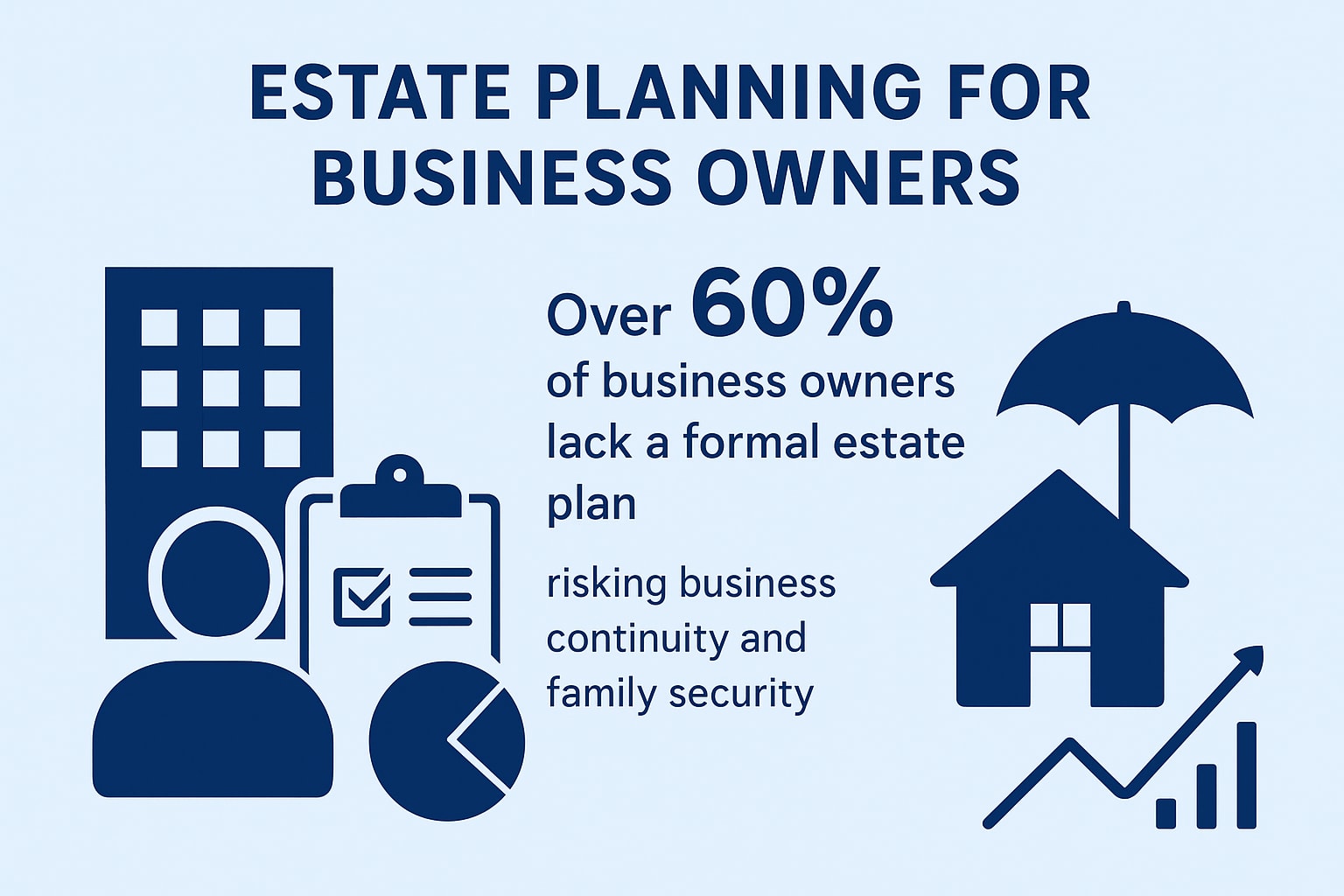
For business owners, the purpose of planning is more than just paperwork—it’s the roadmap that guides every decision. Whether you’re launching a startup or steering a family business, strategic planning helps you anticipate change, allocate resources, and set a course for sustainable growth.
Business planning can also boost economic, psychological, and external outcomes. For example, as highlighted in Is Business Planning Useful for Entrepreneurs?, entrepreneurs who engage in thoughtful planning often outperform their peers, especially when adapting to market shifts or succession challenges.
With a well-crafted plan, businesses can:
Identify new opportunities
Mitigate risks before they arise
Foster team alignment and accountability
Success stories show that embracing the purpose of planning leads to higher resilience and long-term profitability for entrepreneurs.
Planning for Professionals and Career Growth
The purpose of planning is equally essential for professionals aiming to advance their careers. By setting clear career goals and mapping out development milestones, individuals can navigate transitions, such as switching industries or pursuing leadership roles.
Consider a mid-career professional looking to pivot into tech: planning helps break down the journey into manageable steps, from acquiring new skills to building a relevant network. This process turns ambition into actionable progress.
Effective career planning includes:
Setting SMART objectives
Identifying gaps in skills or experience
Tracking progress with regular check-ins
Ultimately, the purpose of planning empowers professionals to take control of their trajectory and achieve their aspirations in a constantly evolving job market.
Planning for Families and Personal Finance
Families face a complex financial landscape, and the purpose of planning is to bring clarity and control to their goals. From budgeting and saving to investing for education or retirement, every financial milestone benefits from a structured approach.
Leveraging comprehensive strategies for high-net-worth planning can help families with significant assets navigate these choices, ensuring their wealth is preserved and grown across generations.
Key elements of family financial planning:
Creating and sticking to a budget
Planning for major expenses (college, home purchase)
Setting up estate and legacy plans
By understanding the purpose of planning, families can reduce stress, minimize risks, and secure their financial future with confidence.
Planning in Nonprofit and Community Organizations
For nonprofits, the purpose of planning is about maximizing mission impact. Strategic plans help organizations focus on their core goals, allocate resources wisely, and demonstrate accountability to donors and stakeholders.
Adapting to challenges, such as those posed by the pandemic, requires nonprofits to revisit and revise their plans frequently. This ensures they remain effective in fundraising, program delivery, and measuring social impact.
Successful nonprofit planning involves:
Defining measurable outcomes
Engaging stakeholders in the process
Using data to guide decisions
The purpose of planning in this context is to turn passion into measurable progress, ensuring every effort counts toward a better community.
Planning in Education and Learning
In education, the purpose of planning is pivotal for both institutions and learners. Schools rely on academic and curriculum planning to adapt to technology, hybrid models, and changing student needs.
For students, personal learning plans create a roadmap for academic and personal growth, making it easier to stay motivated and reach milestones. Digital transformation strategies, such as integrating online resources and flexible schedules, highlight how planning keeps education relevant and resilient.
Benefits of educational planning:
Anticipating curriculum trends
Supporting individualized learning paths
Enhancing collaboration among teachers and students
When the purpose of planning is clear, educational success becomes more attainable for everyone involved.
The Future of Planning: Trends for 2026 and Beyond
Looking ahead, the purpose of planning will be shaped by emerging trends such as AI, sustainability, and remote collaboration. Organizations are already using AI for predictive planning, helping leaders make smarter, data-driven decisions.
Sustainability and ESG factors are also becoming central, guiding both businesses and individuals to align plans with broader social and environmental goals. Remote and hybrid teams will depend on digital tools to maintain coordination, flexibility, and innovation.
Key future trends:
AI-driven forecasting and scenario modeling
Integration of ESG principles into planning frameworks
Growth of virtual planning workshops
Embracing the evolving purpose of planning positions individuals and organizations to thrive, no matter what the future holds. So, after exploring how the right planning can boost your confidence and help you stay ahead in a fast-changing world, where do you go from here? Whether you're mapping out your business growth, personal finances, or a big transition in 2026, having a seasoned guide makes all the difference. Imagine the clarity and peace of mind you'll gain with strategies designed just for you—balancing risk, opportunity, and your unique goals. Ready to see how personalized planning can unlock your next level of success? Let's make it happen together—Book a business planning consultation.
Comments