Personalized Financial Guide: Expert Tips for Success 2025

Did you know that clients who receive personalized financial advice are not just more satisfied, but also reach their goals faster, according to J.D. Power’s 2023 study?
Managing money is getting more complicated every year. In 2025, you face new tax laws, emerging investment opportunities, and unexpected risks that can make even simple decisions feel overwhelming.
But what if you had a personalized financial guide to cut through the noise? Imagine aligning your unique goals, values, and circumstances so you can make confident choices and set yourself up for real success.
This article is your step-by-step roadmap. You’ll get expert strategies, practical tips, and actionable insights for building a robust, customized financial plan—no matter your age or stage of life.
Ready to master your financial future? Let’s dive in.
Assessing Your Current Financial Situation
Understanding where you stand financially is the cornerstone of any personalized financial plan. Before mapping out your future, you need a clear, honest snapshot of your current situation. This assessment lays the groundwork for setting goals, building wealth, and making confident choices.
Understanding Your Income and Expenses
Start by listing every source of income. This could be your salary, side business profits, rental incomes, or investment dividends. The more complete your list, the more accurate your personalized financial plan will be.
Next, track your monthly and annual expenses. Separate fixed costs like rent or mortgage from variable ones such as groceries or entertainment. Many people underestimate discretionary spending by up to 20 percent. Using budgeting apps or simple spreadsheets can make this process easier and more reliable.
Break down your spending into categories. This helps you spot patterns and find areas where you might be overspending. For a deeper dive on actionable tactics to boost your financial health, check out Wealth-Building Financial Strategies. These strategies align directly with building a strong personalized financial foundation.
Analyzing your spending is not just about cutting costs, it's about aligning your money habits with your goals.
Calculating Net Worth and Cash Flow
After organizing your income and expenses, it's time to list your assets and liabilities. Assets include everything you own: savings, investments, vehicles, and property. Liabilities are what you owe: credit cards, student loans, mortgages.
Calculate your net worth by subtracting total liabilities from total assets. This number offers a clear snapshot of your personalized financial standing. Use a simple table to keep things organized:
Assets | Liabilities |
Savings | Credit cards |
Investments | Mortgages |
Property | Student loans |
Assess your monthly cash flow by subtracting total expenses from total income. Are you running a surplus, breaking even, or facing a deficit? Regularly updating these numbers lets you spot trends and make timely adjustments to your personalized financial plan.
Tracking net worth and cash flow over time helps you see progress and catch problems early.
Identifying Financial Strengths and Weaknesses
With your numbers in hand, evaluate what you do well and where you could improve. Do you have a high savings rate or minimal debt? These are strengths that support your personalized financial goals.
On the other hand, if you notice high-interest debt or a lack of emergency savings, these are areas to target for improvement. Households that know their financial baseline report much higher satisfaction with their personalized financial plans.
Use your findings as a springboard for goal-setting and strategic planning. Recognizing both strengths and weaknesses builds the confidence you need for your next steps.
Setting Clear and Achievable Financial Goals
Setting clear and achievable goals is the foundation of any successful personalized financial plan. Without a roadmap, it's easy to lose direction and miss important milestones. By defining your objectives and aligning them with your values, you empower yourself to make confident decisions, no matter what life throws your way.
Defining Short-Term and Long-Term Objectives
Every personalized financial journey starts with identifying what you want to achieve, both now and in the future. Short-term goals might include building an emergency fund, saving for a vacation, or paying off a small debt. Long-term goals are bigger commitments, like buying a home, investing for retirement, or funding your child's education.
To make your objectives actionable, apply the SMART framework: Specific, Measurable, Achievable, Relevant, and Time-bound. For example, instead of saying "save more money," set a target like "save $10,000 for a down payment within two years." This clarity transforms vague wishes into tangible steps, making your personalized financial plan more effective.
When considering long-term ambitions, think about the legacy you want to leave. If you're curious about how estate and legacy planning fits into your broader objectives, check out the Essential Guide to Estate Planning for practical insights.
Prioritizing and Aligning Goals with Values
Not all goals carry the same weight. Some need immediate attention, while others can wait. Start by ranking your goals based on urgency and importance. For example, paying off high-interest debt usually takes precedence over saving for a luxury trip.
Ask yourself, "What matters most to me?" Maybe it's family security, advancing your career, or giving back to your community. Trade-off questions, such as "Should I focus on retirement or my child's education first?" help you clarify priorities and avoid spreading yourself too thin.
Aligning your goals with your personal values ensures your personalized financial plan is meaningful and motivating. When your ambitions reflect who you are, you're more likely to stay committed and make progress.
Breaking Down Goals and Monitoring Progress
Big dreams can feel overwhelming if you try to tackle them all at once. Break down each goal into smaller, manageable milestones. For instance, if your aim is to save $20,000 in five years, set yearly or even monthly savings targets. This approach turns the journey into a series of achievable steps.
Regularly monitor your progress using visual tools or goal-tracking apps. Set aside time monthly or quarterly to review your achievements and adjust as needed. Studies show that people who frequently revisit their goals are up to 42% more likely to succeed, making this a non-negotiable part of your personalized financial routine.
Celebrating small wins along the way keeps you motivated and reminds you that every step counts.
Revisiting and Updating Goals
Life rarely goes exactly as planned. A job change, new family member, or a shift in the economy can all influence your priorities. Make it a habit to reassess your goals, ideally once a year or after major life events.
Ask yourself if your objectives are still relevant and realistic. If circumstances have changed, don't hesitate to update your personalized financial plan. Flexibility is key to staying on track, especially as you navigate the evolving financial landscape of 2025.
Remember, your goals should grow and adapt just as you do. Regular check-ins ensure your financial plan continues to support the life you truly want.
Building a Robust Financial Plan: Budgeting, Emergency Funds, and Risk Management
Creating a robust, personalized financial plan is the cornerstone of long-term success. By focusing on key building blocks, you can turn financial uncertainty into confidence and clarity.
Creating a Personalized Budget
A personalized financial plan starts with a clear budget. Begin by categorizing your expenses into essentials like housing, food, and transportation, and discretionary spending such as dining out or entertainment.
Use spreadsheets or budgeting apps to track where your money goes each month. This visibility helps you quickly spot patterns and areas where you can cut back. Identify fixed costs (rent, utilities) versus variable ones (groceries, hobbies).
Set a savings target—financial experts suggest aiming for 10 to 20 percent of your income, but adjust based on your unique situation. Gradually increase your savings rate as your income grows. Regularly revisit your budget to ensure it aligns with your personalized financial goals and changing circumstances.
Budgeting Quick Tips Table
Expense Type | Examples | Adjust Often? |
Fixed | Rent, insurance | No |
Variable | Groceries, gas | Yes |
Discretionary | Travel, streaming | Yes |
Establishing an Emergency Fund
An emergency fund is your financial safety net. Aim to set aside three to six months of living expenses in a separate, easily accessible account. This buffer protects your personalized financial plan from unexpected setbacks like job loss or medical bills.
Start small if needed. Even saving a small amount each week builds momentum. Automate transfers so you never forget to contribute. Having this fund in place gives peace of mind and flexibility during tough times.
Did you know that 48 percent of individuals over 65 require paid care at some point? An emergency fund becomes even more vital as you age, ensuring you can cover unforeseen costs without derailing your personalized financial strategy.
Managing Debt Strategically
Debt can easily undermine your personalized financial progress if not managed wisely. Start by listing all your debts, focusing on those with the highest interest rates, such as credit cards. Make it a priority to pay these off first.
Consider consolidation or refinancing options to lower your interest rates and simplify payments. Avoid taking on new debt unless it directly supports a long-term goal, like furthering your education or growing a business. Clients who consistently reduce debt report feeling more confident and in control of their personalized financial future.
Stay proactive by reviewing your debt strategy regularly. Celebrate small victories as debts are paid off, and use the momentum to tackle the next challenge.
Planning for Insurance and Risk Protection
Insurance is a crucial pillar of any personalized financial plan. Assess your needs for health, life, disability, property, and liability coverage based on your life stage and family situation.
Match your coverage to your current risks. For example, young families may prioritize life and disability insurance, while established professionals might focus on property and liability. Review your policies annually to ensure they still fit your needs as life changes.
Proper insurance planning protects you from unexpected costs, helping your personalized financial plan stay on track, even during uncertain times. Think of insurance as a safety net that lets you pursue your goals with confidence.
Building a truly personalized financial plan can feel overwhelming without expert guidance. As a Certified Financial Planner (CFP®) and Registered Retirement Consultant (RRC), I specialize in helping business owners, professionals, and families bring every aspect of their financial life together.
My approach is holistic—combining investment, tax, retirement, and succession strategies into one cohesive plan. Whether you are in Alberta, BC, Saskatchewan, Ontario, or the Northwest Territories, I offer both in-person and virtual consultations for maximum convenience.
With a single point of contact, you can trust your personalized financial journey will be strategic, coordinated, and tailored to your unique goals.
Investing, Tax Planning, and Retirement Strategies for 2025
Building a personalized financial plan for 2025 means getting strategic with your investments, tax planning, and retirement approach. The right steps can turn uncertainty into confidence, helping you move closer to your unique goals. Ready to unlock your financial potential? Let’s dive into the essential strategies that will shape your future.
Designing an Investment Strategy Aligned with Your Goals
A personalized financial plan always starts with clear investment objectives. Are you aiming for growth, steady income, or capital preservation? Knowing your risk tolerance is key. Younger investors might lean toward equities, while those nearing retirement may prefer bonds and stable assets.
Diversification is your safety net. Spread investments across stocks, bonds, real estate, and even alternative assets. This helps balance risk and reward, smoothing out the bumps along the road. Regular portfolio reviews keep your investments aligned with your personalized financial goals.
Not sure where you stand? Create a simple table to assess your asset allocation:
Asset Class | Target % | Actual % | Adjustments Needed |
Stocks | 50 | 40 | +10 |
Bonds | 30 | 35 | -5 |
Real Estate | 15 | 20 | -5 |
Cash | 5 | 5 | 0 |
Checking these numbers quarterly ensures your personalized financial strategy stays on track.
Implementing Tax-Efficient Strategies
Smart tax planning can add thousands to your bottom line over time. Start by understanding the tax impact of your accounts—RRSPs, TFSAs, IRAs, and 401(k)s all work differently. Each has unique advantages, so tailor your personalized financial plan to use these tools effectively.
Deductible contributions, tax credits, and timing capital gains can all reduce your tax bill. For 2025, stay updated on shifting tax laws and rules. Remember, tax planning isn't just for the wealthy. Even small changes can make a big difference. For deeper insights, explore Tax and Estate Planning Insights to see how these strategies fit into a personalized financial approach.
A quick checklist for tax efficiency:
Maximize contributions to tax-advantaged accounts
Harvest losses to offset gains
Use available credits and deductions
Plan withdrawals to minimize taxes
By weaving tax strategies into your personalized financial plan, you keep more of what you earn.
Planning for Retirement Success
Retirement may feel far away, but a personalized financial plan brings it into focus. Start by estimating your future expenses, including housing, healthcare, and travel. Factor in inflation, since costs can rise faster than expected.
Calculate how much you need to save to reach your ideal lifestyle. Use online calculators or work with a planner. Contribute regularly to retirement accounts, and increase amounts as your income grows. Small, consistent steps make a huge impact.
Table: Sample Retirement Milestones
Age | Target Savings (%) of Income | Key Actions |
30 | 1x annual salary | Start regular contributions |
40 | 3x annual salary | Increase savings rate |
50 | 6x annual salary | Rebalance and assess progress |
60 | 8x+ annual salary | Fine-tune withdrawal strategy |
A personalized financial approach means reviewing your plan each year. Adjust for any changes in your life, from job shifts to family growth, so your retirement path remains secure.
Adapting to Life Changes and Market Volatility
Life is unpredictable, and markets can swing unexpectedly. A personalized financial plan prepares you for both. Keep an emergency fund equal to three to six months of expenses. This buffer lets you ride out downturns without derailing your investments.
Diversify your portfolio to weather market storms. As you approach retirement, gradually shift toward more conservative assets. Use scenario planning to test how different events—like a market dip or health crisis—could affect your goals.
Stay flexible. Review your personalized financial plan after major life changes. Whether it’s a new job, a move, or family changes, updating your strategy keeps you on track. Remember, proactive adjustments help protect your future and give you peace of mind.
Estate Planning, Legacy, and Ongoing Plan Management
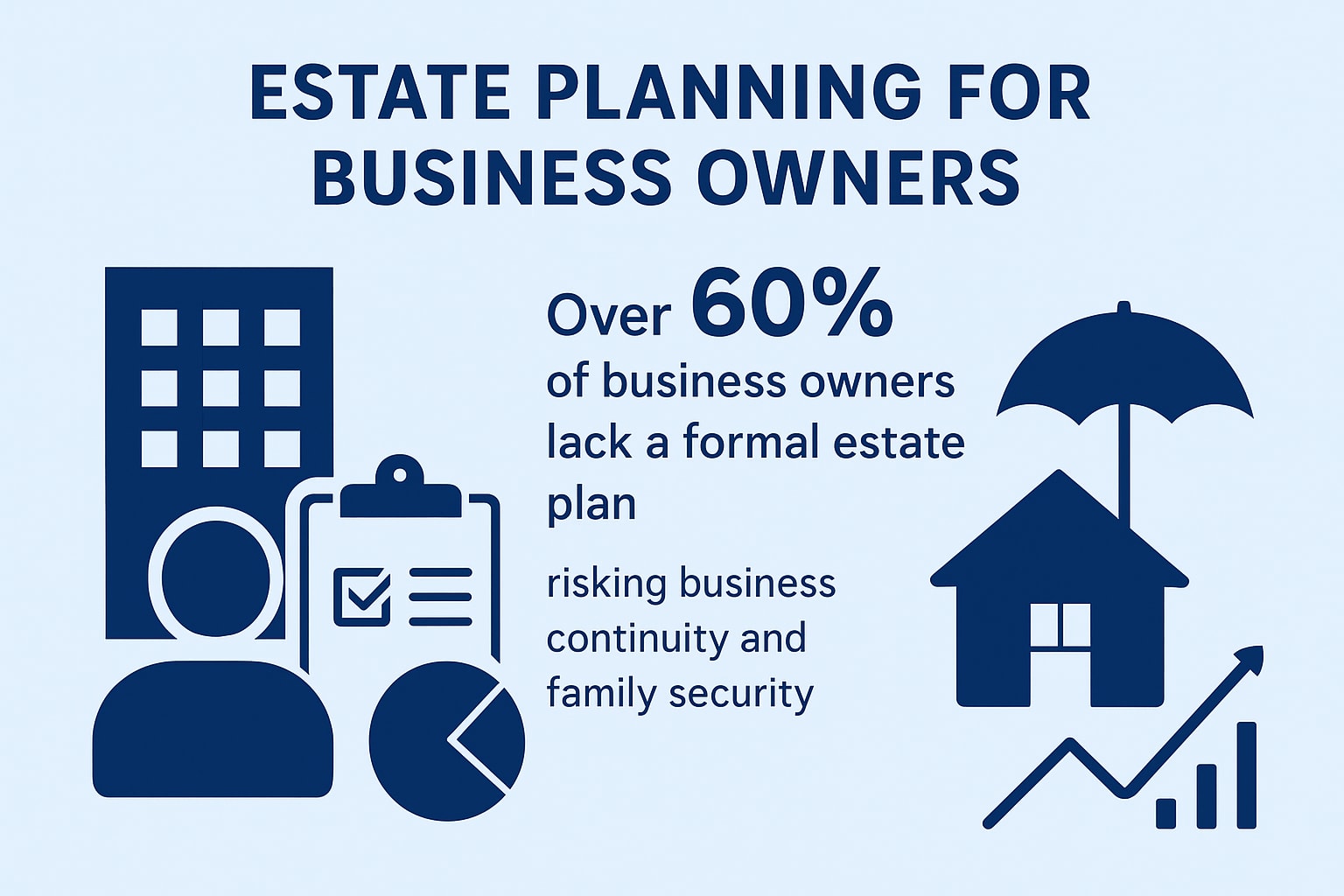
A truly personalized financial plan considers not just your present, but your legacy and the generations that follow. Estate planning, legacy wishes, and continuous plan management are the capstone of financial confidence. These steps ensure your wealth, values, and intentions are honored—today and long into the future.
Creating an Effective Estate Plan
Every personalized financial journey should start with a clear estate plan. Think of it as your blueprint for protecting loved ones and ensuring your wishes are honored. Essential documents include a legally valid will, powers of attorney for finances and healthcare, and medical directives. These tools put you in control, even if life takes an unexpected turn.
For families or business owners with complex needs, trusts can add another layer of protection and flexibility. Trusts help manage assets, reduce probate delays, and can offer tax advantages. Incorporating tax-efficient strategies in your personalized financial estate plan ensures more of your hard-earned assets reach your chosen heirs or causes.
Engaging your family in estate discussions is vital. Transparent conversations help minimize confusion and conflict later. Did you know that households with a well-structured personalized financial estate plan experience fewer disputes and greater harmony? A simple checklist can keep you organized:
Estate Planning Essentials | Status |
Will | [ ] Complete |
Power of Attorney | [ ] Complete |
Medical Directive | [ ] Complete |
Trusts (if needed) | [ ] Complete |
Beneficiary Designations | [ ] Updated |
Taking these steps provides peace of mind and lays a strong foundation for your personalized financial future.
Legacy Planning and Charitable Giving
Your personalized financial plan is about more than numbers—it is about meaning, impact, and the legacy you leave behind. Start by defining what legacy means to you. Is it supporting family, giving back to your community, or establishing a philanthropic tradition?
Explore the many ways to give. Donor-advised funds, direct gifts, and endowments are all options for integrating charitable wishes into your personalized financial roadmap. Strategic giving can also offer tax benefits, stretching your impact even further.
Incorporate legacy goals into your overall plan. For example, some families choose to set up education funds for grandchildren, while others prioritize ongoing charitable donations. The key is to ensure your personalized financial objectives align with your values and desired legacy. Including these intentions in your estate documents helps guarantee your wishes are honored.
Open conversations with loved ones about your legacy goals can inspire future generations and foster a shared sense of purpose. Legacy planning, when woven into your personalized financial strategy, brings clarity and satisfaction to your financial journey.
Reviewing and Updating Your Financial Plan
A personalized financial plan is not a one-time task. Life changes—marriage, new children, career moves, or inheritance—require ongoing adjustments. Annual reviews or updates after major events help keep your plan relevant and effective.
Schedule regular reviews with your financial advisor or use planning software to track progress. Keeping your plan up to date ensures it adapts to new laws, market shifts, or personal milestones. According to the 2023 U.S. Full-Service Investor Satisfaction Study, clients who frequently update their personalized financial plans report higher satisfaction and greater goal achievement.
Event/Change | Review Needed? |
New baby | Yes |
Marriage or divorce | Yes |
Career change or retirement | Yes |
Inheritance | Yes |
For new parents, adapting your plan is especially important. Check out this resource for Financial Planning for New Parents to see how a personalized financial strategy can evolve with family growth.
Regular reviews are proven to lead to better outcomes and lasting financial confidence.
Communicating and Educating Family Members
A personalized financial plan is most effective when your family understands and supports it. Open communication ensures your wishes are clear and prevents misunderstandings. Share the details of your estate plan with key family members and beneficiaries.
Education is crucial. Teach heirs about financial responsibilities, your values, and the basics of the personalized financial plan you have crafted. Visualization tools, like Asset-Map Reports, can make complex information easy to grasp.
Consider hosting a family meeting to discuss your personalized financial approach. Outline your intentions, answer questions, and invite input. This transparency builds trust and prepares the next generation for stewardship.
Real-life stories show that families who communicate about their personalized financial plans experience fewer conflicts and greater unity. Take the time to educate, involve, and empower your loved ones—your legacy will be stronger for it.
Overcoming Common Challenges and Maximizing Success
Navigating your personalized financial journey is rewarding, but it comes with real-world obstacles. From emotional pitfalls to information overload, these challenges can derail your progress if not addressed proactively. Here’s how to overcome them and maximize your success with a truly personalized financial plan.
Addressing Emotional and Behavioral Biases
Emotions and biases often drive financial decisions, sometimes leading you away from your personalized financial goals. Overconfidence might tempt you to take unnecessary risks, while fear can make you overly conservative. In fact, with financial literacy in the U.S. dropping to 48% in 2024, ongoing education is more important than ever.
Recognizing your own patterns is the first step. Use reflection or journaling to identify when emotions influence your choices. Consider asking yourself, "Am I making this decision based on facts or feelings?"
Common biases include: <li>Overconfidence
Loss aversion
Herd mentality
Seeking guidance is powerful. According to Bank Customers Prefer Personalized Advice, clients who receive personalized financial advice report higher satisfaction and better outcomes. By staying mindful and engaging in continuous learning, you can make more rational, effective decisions.
Managing Complexity and Avoiding Overwhelm
Modern finances can feel like a tangled web, especially when managing investments, taxes, and multiple goals. A personalized financial approach breaks this complexity into manageable steps.
Start by organizing your accounts and documents. Use digital folders or financial dashboards to keep everything accessible. Next, set up a simple routine—review your finances weekly or monthly rather than letting tasks pile up.
Tips to simplify: <li>Use one main budgeting app
Automate bill payments and savings
Set calendar reminders for reviews
When processes are streamlined, you’ll feel more in control. Remember, a personalized financial system should work for you, not against you. Keep it as simple or detailed as you need, and don’t hesitate to ask for help if you feel overwhelmed.
Overcoming Resistance to Change
Change can be uncomfortable, even when it leads to improvement. Many people stick to old habits out of fear or uncertainty, which can stall their personalized financial progress.
The key is to start small. Adjust one spending habit or automate a single savings contribution. Celebrate each small win to build momentum and confidence.
Ways to encourage change: <li>Visualize your goals and progress
Share your intentions with a trusted friend or advisor
Reward yourself for sticking to your plan
Remember, a personalized financial plan is flexible. Life will change, and so should your strategies. Stay open to adjustments that serve your evolving needs.
Leveraging Technology and Tools
Technology can transform your personalized financial experience. From budgeting apps to investment trackers, digital tools make it easier to automate, visualize, and manage every aspect of your plan.
Start by exploring highly rated budgeting tools or investment platforms that match your comfort level. Many offer dashboards to give you a holistic view of your progress.
Top tech for 2025: <li>Budgeting apps with AI-driven insights
Goal-tracking platforms
Tools like Asset-Map for visualizing your entire financial landscape
By embracing technology, you’ll save time and gain clarity. Just remember to review your tools regularly to ensure they still fit your personalized financial needs.
Seeking Ongoing Professional Guidance
No one has to go it alone on their personalized financial journey. Working with a Certified Financial Planner or other trusted professionals brings accountability, expertise, and peace of mind.
A professional can help you navigate complex decisions, adapt to new life stages, and stay on track when challenges arise. They’ll also introduce strategies and opportunities you might miss on your own.
Benefits of professional support: <li>Personalized financial advice tailored to your goals
Regular check-ins and plan updates
Access to a network of specialists (tax, legal, insurance)
Building a relationship with a professional ensures your personalized financial plan evolves alongside you, giving you confidence in every decision.
Measuring Success and Celebrating Milestones
Tracking your progress is vital for personalized financial success. Define clear metrics—such as net worth growth, debt reduction, or goal achievement—and review them regularly.
Use visual aids like charts or progress bars to see how far you’ve come. Celebrate every milestone, no matter how small. Recognizing your achievements boosts motivation and keeps you moving forward.
Recent studies, including insights from Financial Health & Advice Satisfaction Study Changes, show that enhanced advice programs and regular reviews lead to higher satisfaction and stronger results. Your personalized financial plan should always reflect your current life, so adjust your metrics and goals as you evolve. You’ve just explored a roadmap packed with expert tips for navigating your finances in 2025, from clarifying your goals to building a plan that truly fits your life. But sometimes, having a second set of eyes—especially from someone who lives and breathes this stuff—can make all the difference. Why not take the next step and see if your plan is on track or if there’s an opportunity you haven’t considered? If you’re curious or want a fresh perspective, let’s chat. Sometimes a simple conversation can lead to your biggest breakthroughs. Get a second opinion
Comments