My Wealth Plan Guide: Build Your Path to Financial Success 2026

Picture yourself in 2026, feeling secure and confident about your money. Every decision you make is intentional, and your finances are finally working for you.
That’s the power of my wealth plan. This guide is here to help you create a roadmap, giving you proven strategies, practical tools, and the right mindset for lasting financial success.
Ready to transform your future? We’ll walk through why a plan matters, how to set goals, budget smarter, invest wisely, protect what you’ve built, and find expert support. Let’s start building your financial clarity today.
Why You Need a Wealth Plan in 2026
The financial world is evolving faster than ever. Inflation, unpredictable markets, and emerging investment options are reshaping how we manage our money. With so much change, having my wealth plan in place is no longer a luxury, it’s a necessity. Imagine trying to navigate these shifts without a clear roadmap. Would you feel confident about reaching your 2026 goals?
Why Planning Makes All the Difference
Research shows that individuals with a written financial plan are 2.5 times more likely to achieve their goals. That’s the power of my wealth plan. Without it, many people end up “winging it,” which often leads to missed opportunities, emotional decisions, and unnecessary stress. In fact, financial planning leads to better outcomes for people at every stage of life, from new professionals to retirees.
Let’s break it down:
With My Wealth Plan | Winging It |
Clear goals and strategy | Uncertainty and guesswork |
Higher savings and investment rates | Missed opportunities |
Less financial anxiety | More stress and worry |
Aligning Your Life and Money
A great wealth plan goes beyond numbers. It helps you connect your money decisions to your life goals. Are you saving for a home, planning for early retirement, or building a business? My wealth plan lets you align your financial moves with what matters most. For entrepreneurs, integrating personal and business finances is crucial. As life changes—marriage, children, career shifts, or economic surprises—your plan adapts right along with you.
A Real-Life Success Story
Consider Sarah, a young professional who started with my wealth plan in her early 30s. By setting clear goals, reviewing her finances regularly, and adjusting as life changed, she reached financial independence before 40. Her secret? Consistency, discipline, and a plan tailored to her life. The psychological benefits are real too. People with my wealth plan report less anxiety, greater confidence, and stronger relationships, because money stops being a constant source of stress.
A solid wealth plan is your tool for clarity, confidence, and long-term success in 2026. Start today, and watch your financial future transform.
Step 1: Define Your Vision and Set SMART Financial Goals
Building my wealth plan starts with a vision. Imagine standing in 2026, looking back at choices that brought you closer to your dreams. It all begins with understanding what matters most to you.
Understanding Your Financial “Why”
Why do you want to build my wealth plan for 2026? This question unlocks the heart of your financial journey. When your decisions reflect your personal values, every dollar serves a purpose.
Take a moment to ask yourself:
What does financial success look like for me in 2026?
Is early retirement, owning a home, or funding education my top priority?
How does my family, legacy, or lifestyle influence my wealth goals?
For some, my wealth plan means creating security for loved ones. For others, it’s about freedom to travel or invest in passions. Behavioral finance research shows goals rooted in deep values are more motivating and sustainable.
Consider this table to clarify your vision:
Goal Type | Example |
Security | Build a $30,000 emergency fund |
Growth | Invest for early retirement at 55 |
Legacy | Fund a child’s education |
Lifestyle | Buy a dream home by 2026 |
When you connect your aspirations to my wealth plan, you create a roadmap that truly inspires action and commitment.
Setting SMART Goals for Success
Once your vision is clear, it’s time to turn dreams into reality with SMART goals. SMART stands for Specific, Measurable, Achievable, Relevant, and Time-bound. These qualities make goals actionable and trackable within my wealth plan.
Compare these two statements:
“Save more money.”
“Save $50,000 for a down payment by December 2026.”
The second is a SMART goal—it’s clear, measurable, and has a deadline. Breaking big goals into smaller milestones helps you celebrate progress and stay motivated.
Try using worksheets or digital tools to map out your objectives. For instance, set quarterly savings targets or monthly debt reduction milestones. Studies show households with written goals save twice as much as those without.
Need guidance on structuring goals and aligning them with your values? Explore key financial planning principles to build a foundation for my wealth plan that adapts as life evolves.
Prioritizing and Balancing Multiple Goals
Life rarely lets us focus on just one goal at a time. My wealth plan must balance debt repayment, savings, investing, and spending. But how do you decide what comes first?
Start by ranking goals by urgency, impact, and feasibility. For example, paying off high-interest debt may take priority, but you can still contribute to retirement or a child’s education fund alongside.
Imagine a family juggling mortgage payments and college savings. By reviewing priorities regularly, they can adjust as needs shift, like after a job change or new addition to the family.
Remember to review your goals often. Set reminders for quarterly check-ins. Adjust your plan as circumstances shift. With this approach, my wealth plan remains flexible, focused, and built for real-life success.
Step 2: Master Budgeting and Cash Flow Management
Creating a solid budget is the heartbeat of my wealth plan. Without a clear view of where your money goes, even the best intentions can fall short. Imagine feeling in control every month, knowing each dollar is working toward your goals.
Building a Realistic Budget
A realistic budget is the foundation of my wealth plan. Start by tracking every source of income and listing all expenses, big and small. Use budgeting tools or simple spreadsheets to get an honest picture of your cash flow.
Look for spending leaks—those small, unnoticed expenses that add up over time. Cutting back on daily coffees or unused subscriptions can free up funds for your goals. The popular 50/30/20 rule is a great starting point: allocate 50% of income to needs, 30% to wants, and 20% to savings or debt repayment.
Here’s a quick monthly budget breakdown for a dual-income family:
Category | Percentage | Example Amount ($6,000 net) |
Needs | 50% | $3,000 |
Wants | 30% | $1,800 |
Savings/Debt | 20% | $1,200 |
Did you know 65% of Canadians who budget feel more in control of their finances? If you want more practical ideas, check out these wealth-building tactics to start today to strengthen my wealth plan even further.
Consistency is key. Review and adjust your budget monthly to reflect changes in income or expenses. This proactive approach keeps my wealth plan on track and ensures I’m ready for what life throws my way.
Strategies for Effective Cash Flow Management
Managing cash flow is the secret sauce of my wealth plan. Start by automating savings and bill payments to avoid late fees and missed opportunities. Set up separate accounts for fixed and variable expenses, making it easier to monitor spending.
If your income changes seasonally or is commission-based, plan for the lean months by saving extra during high-earning periods. Building an emergency fund is essential—aim for three to six months of living expenses, kept in a high-interest savings account for easy access.
Here’s how a professional with variable income manages cash flow:
Tracks all incoming payments and sets aside a percentage for taxes
Pays themselves a regular “salary” from business income
Keeps a buffer for slow months
Reviews cash flow weekly to spot trends
Automating processes not only saves time, it also strengthens my wealth plan by removing the temptation to overspend. Remember, even small, regular savings add up over time and provide a cushion for unexpected events.
Overcoming Common Budgeting Challenges
Every journey with my wealth plan faces obstacles. Staying motivated and accountable can be tough, especially when surprises pop up. Use budgeting apps or simple notebooks to track progress and celebrate small wins.
Unexpected expenses are part of life, but an emergency fund can soften the blow. Inflation and rising costs can strain any budget, so involve your family or community to brainstorm creative solutions.
Regular check-ins keep my wealth plan flexible and resilient. Adjust as needed and remember, building wealth is a marathon, not a sprint.
Step 3: Optimize Your Investments for Growth
Are you ready to turn your savings into real wealth? In this step of my wealth plan, you’ll discover how to make your money work harder, smarter, and more efficiently. Investing is the engine that powers long-term growth, and optimizing your strategy can be the difference between financial stagnation and true prosperity.
Understanding Investment Basics in 2026
Building my wealth plan starts with knowing where to invest and why. In 2026, you’ll see a diverse landscape filled with opportunities and risks. The main asset classes include stocks, bonds, real estate, and alternatives like private equity or commodities. Each offers its own risk and reward profile, so understanding their roles is crucial.
Here’s a quick comparison:
Asset Class | Average Return (10 Years) | Risk Level | Liquidity |
Stocks | 7–9% | High | High |
Bonds | 2–4% | Low–Med | High |
Real Estate | 5–7% | Medium | Low–Med |
Alternatives | Varies | High | Low |
Inflation and interest rates play a big part in shaping returns. For example, rising inflation can erode bond yields but boost real estate values. Diversification is the secret weapon in my wealth plan, helping you smooth out bumps by spreading investments across different assets.
Imagine your portfolio as a garden: stocks bring fast growth, bonds offer stability, and real estate adds long-term value. By mixing these, you’ll reduce risk and stay on track with my wealth plan, no matter how markets shift.
Choosing the Right Investment Strategies
Selecting investment strategies is where my wealth plan gets personal. Should you go passive, active, or a blend? Passive investing, like index funds or ETFs, typically means lower fees and less stress. Active investing may offer higher returns but comes with more work and risk.
Tax-advantaged accounts are essential tools. RRSPs, TFSAs, and RESPs in Canada can help boost returns by sheltering gains from taxes. Dollar-cost averaging—investing a set amount regularly—can help smooth out market ups and downs. Lump-sum investing might work if you have a windfall or bonus.
Your investment mix should reflect your life stage. A young professional’s my wealth plan might focus on growth stocks, while someone nearing retirement may lean on bonds and income assets. For those with more complex needs, exploring strategies for high-net-worth planning can add extra layers of protection and growth.
Here are some questions to guide you:
Is your risk tolerance high, medium, or low?
Are you investing for the short or long term?
What are your major milestones in my wealth plan?
By aligning your strategies with your goals and risk profile, you can optimize growth and protect what you’ve built.
Monitoring and Adjusting Your Portfolio
Once your investments are set up, my wealth plan is not a “set it and forget it” system. Regular reviews are vital. Schedule check-ins—monthly, quarterly, or at least annually—to see if your asset allocation matches your targets.
Rebalancing is a powerful habit. If stocks outperform and now make up too much of your portfolio, shift some gains into bonds or other assets to maintain your chosen mix. This helps lock in profits and control risk.
Markets will always have ups and downs. The key to my wealth plan is avoiding emotional decisions. Use technology, like robo-advisors or portfolio tracking apps, to automate alerts and flag when it’s time to rebalance.
If your situation changes or you feel overwhelmed, don’t hesitate to consult a financial advisor. My wealth plan grows stronger with regular attention and the right support.
Step 4: Protect and Grow Your Wealth
Building and safeguarding your financial future is just as important as growing it. This step in my wealth plan ensures you are prepared for life’s uncertainties while also setting the stage for long-term prosperity. Let’s explore how to protect what you have worked so hard for and make your wealth work even harder for you.
Insurance and Risk Management Fundamentals
Insurance is the safety net of my wealth plan. It protects your assets, income, and loved ones from unexpected events like illness, disability, or property loss. Think of it as the foundation that keeps your financial house standing strong, no matter what storms come your way.
There are several types of insurance to consider:
Life insurance: Provides for your family if you are no longer there.
Disability insurance: Replaces part of your income if you can’t work due to illness or injury.
Critical illness insurance: Offers a lump sum if you are diagnosed with a serious condition.
Property insurance: Shields your home and valuables from loss or damage.
For example, imagine a family whose main breadwinner faced a sudden health crisis. Because insurance was part of their my wealth plan, their financial goals stayed on track. Sadly, 70% of Canadians are underinsured, leaving many at risk. Integrating the right coverage in your plan brings peace of mind and keeps your wealth journey secure.
Tax Planning and Efficiency
Tax planning is a powerful lever within my wealth plan. It helps you keep more of your hard-earned money, optimizing every dollar for today and tomorrow. Start by understanding your tax bracket and identifying deductions you may be missing.
To boost your tax efficiency:
Use registered accounts like RRSPs or TFSAs for tax-deferred or tax-free growth.
Consider capital gains and dividend income for lower tax rates.
Plan ahead for major events, such as selling a business or receiving an inheritance.
For families, income splitting can reduce the overall tax bill. Avoiding common mistakes, such as forgetting to update beneficiary designations or missing out on credits, is essential. By weaving tax strategies into my wealth plan, you ensure your money works smarter, not harder.
Estate Planning and Legacy Building
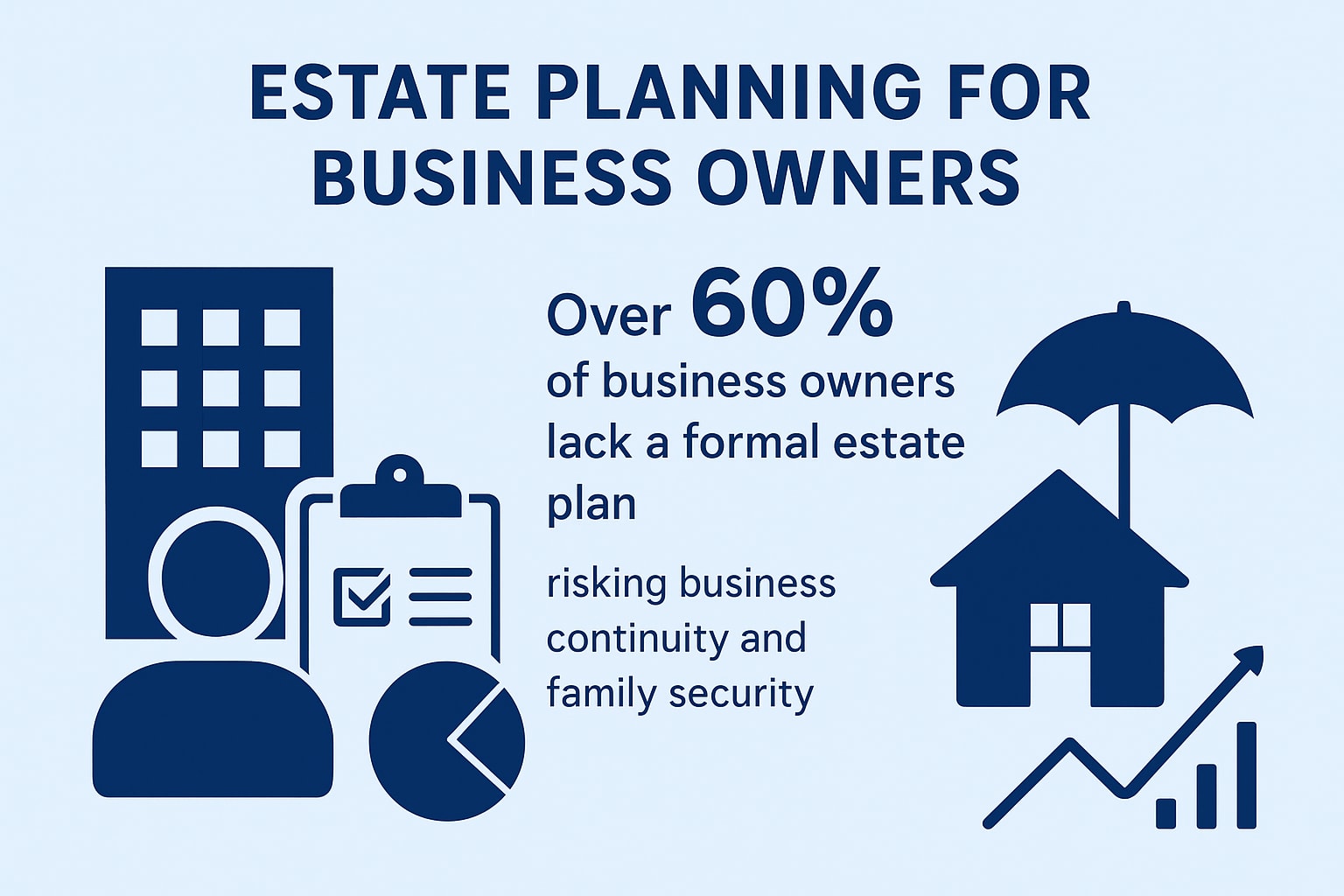
Estate planning in my wealth plan isn’t just about wills and paperwork, it’s about ensuring your wishes are honored and your loved ones are supported. Start with a will, powers of attorney, and up-to-date beneficiary designations. Only 55% of Canadians have an up-to-date will, so this step is often overlooked.
Let’s compare key estate planning tools:
Tool | Purpose | Who Needs It? |
Will | Distributes assets per your wishes | Everyone |
Power of Attorney | Designates decision-makers if incapacitated | All adults |
Trusts | Manages/Protects assets for heirs | Families, business owners |
Charitable Giving | Creates a legacy and tax benefits | Philanthropic individuals |
Family meetings are vital for communicating your plans and wishes. A well-crafted estate plan in my wealth plan avoids family disputes, ensures smooth transitions, and leaves a lasting legacy.
A Certified Financial Planner can elevate my wealth plan to the next level. Their holistic approach ties together tax, investment, retirement, and estate strategies, giving your plan a 360-degree view. With ongoing monitoring and regular adjustments, your plan stays aligned with your life’s changes.
What can you expect? Education, clarity, and proactive support at every stage. A good planner helps you avoid costly mistakes and gives you the confidence to make smarter decisions. Not sure if the value matches the cost? Learn more about financial advisor value and fees to see how expert guidance can pay for itself.
With the right guidance and a comprehensive approach, my wealth plan becomes your roadmap to a secure, empowered financial future.
Step 5: Build Wealth Habits and Stay on Track
Building sustainable wealth is not about luck, but about the small, intentional actions you repeat every day. Imagine waking up each morning knowing that my wealth plan is quietly working in the background, guiding every money move. The secret is to make smart routines automatic so success becomes second nature.
Make Wealth-Building Habits Automatic
Consistency is the backbone of my wealth plan. Automating your savings and investments means you never have to rely on willpower alone. Set up automatic transfers to savings accounts, investment platforms, or retirement funds every payday.
Automate bill payments to avoid late fees and reduce stress. Use reminders or financial apps to stay on top of due dates. When your financial habits run on autopilot, you free up mental energy for bigger goals.
Here are three habits to automate for my wealth plan:
Schedule automatic contributions to investment accounts.
Set up recurring bill payments for essentials.
Use budgeting apps to track daily expenses.
Small actions, when repeated consistently, create massive results over time.
Schedule Regular Check-Ins and Track Progress
A strong my wealth plan thrives on regular reviews. Block time each month to review your budget, check your savings progress, and adjust as needed. Quarterly and annual reviews help you spot trends, celebrate wins, and course-correct quickly.
Consider this sample schedule:
Frequency | Focus Area | Tools |
Monthly | Budget review, savings | Budgeting app, worksheet |
Quarterly | Investment performance | Portfolio tracker |
Annually | Goal progress, net worth | Financial planner |
Apps and spreadsheets make it easy to visualize your progress. If you notice a gap between your goals and reality, tweak your plan right away. Remember, even 47% of American millionaires believe their financial plans need improvement, so reviewing and refining is part of lasting success.
Learn from Setbacks and Invest in Financial Literacy
No my wealth plan is perfect from day one. Expect setbacks and treat them as learning opportunities. If an unexpected expense derails your budget, adjust your approach, not your ambition.
Stay curious. Read books, attend workshops, and join online communities focused on financial growth. The more you know, the better decisions you make.
Share your journey with family or friends to build accountability. Leverage resources like podcasts, blogs, and local classes to keep your knowledge fresh.
Real-Life Example and Millionaire Habits
Consider a family who started their my wealth plan with small automated savings and monthly reviews. Over five years, they doubled their net worth by sticking to simple routines and learning from mistakes.
Data shows that 80% of self-made millionaires credit their success to disciplined habits and lifelong learning. With the right habits, your financial future can transform, too.
Make your wealth plan a living system, not a static document. Start building these habits today and watch your confidence—and your wealth—grow. You’ve just explored the steps to create a wealth plan that actually works for you—one that weaves together your goals, values, and the realities of life in 2026. Imagine the confidence you’ll feel knowing your money is moving with purpose, not just sitting idle or being spent on autopilot. If you’re ready to turn these insights into action and want a plan that’s as unique as your story, why not take the next step together? Let’s build your path to financial success—one that’s clear, doable, and built to last. Get started
Comments