Financial Planning Retirement Planner Guide for 2025

Are you confident your retirement plan is ready for the challenges and opportunities of 2025? With inflation, market shifts, and new retirement rules on the horizon, many Canadians are rethinking their approach.
A strong financial planning retirement planner is more important than ever. Proactive steps today can help you build a secure, fulfilling future for yourself and your loved ones.
In this guide, you'll discover actionable strategies, expert tips, and the latest updates tailored for individuals, business owners, and families. We’ll walk you through the fundamentals, goal setting, investment strategies, tax considerations, risk management, and the newest changes for 2025.
Understanding Retirement Planning in 2025
Retirement planning is transforming as we enter 2025. The financial planning retirement planner approach must evolve with shifting demographics, economic changes, and new technology. Canadians are living longer, facing more choices, and navigating a world where retirement is less predictable.
Let’s explore how today’s landscape shapes your journey, and what core principles can help you create a financial planning retirement planner that stands up to the tests ahead.
The Evolving Retirement Landscape
Canada’s aging population is changing the face of retirement. With more people living into their late 80s and 90s, your financial planning retirement planner must account for a retirement that could last 22 years or more (StatsCan, 2023).
Economic factors like inflation and fluctuating interest rates are top concerns. The cost of living, especially for healthcare and housing, is expected to rise in 2025. Staying ahead means adjusting your financial planning retirement planner to protect your lifestyle against these shifts.
Government policy is also in flux. Updates to CPP, OAS, RRSP, and TFSA limits can impact your plan. For 2025, the latest financial planning guide for Canadians outlines new contribution limits and benefit changes. It’s essential to stay informed to maximize your savings.
Flexible retirement is gaining traction. More people are considering phased retirement, part-time work, or even starting a business after leaving their primary career. Technology is making planning easier, too. Digital tools and robo-advisors help you track your progress, model scenarios, and adjust strategies quickly.
A notable example is the 2023-2024 CPP enhancement, which boosts future benefits for those contributing now. These changes highlight why it’s vital to revisit your financial planning retirement planner each year.
Key Principles of Effective Retirement Planning
To succeed, start early and review your plan often. The earlier you build your financial planning retirement planner, the more time your savings have to grow. Regular check-ins ensure you adapt as life and markets shift.
Balancing risk and reward is key. Asset allocation means spreading investments across stocks, bonds, and other assets. This helps manage risk while aiming for growth.
Think of retirement income as a three-legged stool:
Leg 1: Government Benefits | Leg 2: Employer Pensions | Leg 3: Personal Savings |
CPP, OAS, GIS | Defined benefit/contribution plans | RRSP, TFSA, non-registered |
Understanding your income gaps is crucial. Calculate what you’ll need in retirement, then compare it to your expected sources. If there’s a shortfall, your financial planning retirement planner should address how to bridge it, whether by saving more, adjusting investments, or rethinking retirement age.
A proactive, flexible approach is your best ally. By following these principles, you’ll be prepared for whatever 2025 brings.
Step 1: Setting Clear Retirement Goals
Mapping out your future starts with clarity. The financial planning retirement planner process always begins with asking: What does your ideal retirement look like? Without a target, it is impossible to build a plan that gets you there. Let’s break down what it takes to set clear, achievable retirement goals and why each step matters.
Defining Your Retirement Vision
What does retirement truly mean to you? The financial planning retirement planner journey starts by picturing your dream lifestyle. Do you see yourself traveling the world, picking up new hobbies, or spending more time with family? Maybe you are thinking about volunteering, starting a passion project, or supporting your grandchildren.
Consider these vision-setting questions:
What activities excite you for your retirement years?
Who do you want to spend your time with?
Where do you see yourself living: downsizing, relocating, or staying put?
Determining your desired retirement age is also crucial. While 60% of Canadians hope to retire before 65, only about 30% manage to do so, according to RBC in 2023. Your timeline may depend on your financial readiness, work satisfaction, and personal commitments.
Location is another key aspect. Some retirees find financial freedom by downsizing, while others choose to age in place surrounded by familiar faces. Think about your healthcare needs, proximity to family, and cost of living in your preferred area.
Your answers to these questions shape the foundation of your financial planning retirement planner. The clearer your vision, the more targeted your strategy will be.
Calculating Retirement Needs
Once your vision is set, it’s time to crunch the numbers. How much money will you actually need to fund your dream retirement? Start by estimating your annual expenses, including:
Housing costs (rent, mortgage, property taxes, maintenance)
Healthcare and insurance premiums
Food, transportation, and utilities
Travel, hobbies, and entertainment
Gifts or family support
Don’t forget to factor in inflation and rising healthcare costs, which can have a major impact over time. Many Canadians underestimate these expenses, making this a critical step in the financial planning retirement planner process.
Use online retirement calculators or budgeting tools to estimate your “retirement number.” For example, let’s look at a couple aiming for a $70,000 per year lifestyle in retirement. They project:
Expense Category | Annual Cost ($) |
Housing | 18,000 |
Healthcare | 7,000 |
Travel & Leisure | 12,000 |
Groceries | 9,000 |
Utilities | 3,000 |
Miscellaneous | 6,000 |
Total | 55,000 |
After adding a buffer for inflation and unexpected costs, they target $70,000 per year. Calculations like these give you a realistic savings target.
Not sure where to start? Working with a financial advisor for retirement can help you personalize projections and adjust for tax, benefits, and investment returns. Remember, the financial planning retirement planner is not one-size-fits-all.
Establishing Milestones and Checkpoints
With your vision and numbers in hand, it’s time to map out milestones. Setting clear, achievable goals will keep your financial planning retirement planner on track as you move through life’s stages.
Break your savings goals into:
Short-term (1–5 years): Build your emergency fund, pay off high-interest debt, maximize annual RRSP/TFSA contributions.
Medium-term (5–15 years): Increase investment contributions, review asset allocation, plan for major expenses like a new home or travel.
Long-term (15+ years): Focus on maximizing retirement accounts, estate planning, and preparing for healthcare needs.
Track your progress with regular reviews. Life changes, markets shift, and goals evolve. Revisit your plan at least annually or after major life events. Adjust your strategy as needed to stay aligned with your retirement vision.
The financial planning retirement planner is not a static document. It is a living, breathing guide that adapts with you over time.
Step 2: Building a Diversified Retirement Portfolio
Building a diversified portfolio is a cornerstone of any financial planning retirement planner. As you prepare for 2025, understanding your full financial picture is the first step toward creating a resilient retirement strategy. This process can help you weather market swings, minimize risk, and unlock opportunities for long-term growth.
Assessing Your Current Financial Position
Start by gathering a complete inventory of your assets. Include RRSPs, TFSAs, employer pensions, non-registered investments, real estate, and any business interests. Understanding what you own is crucial for any financial planning retirement planner strategy.
Next, review your liabilities. List your mortgage, credit card balances, loans, and lines of credit. Reducing high-interest debt should be a top priority, as it can erode your retirement savings over time.
Finally, establish a robust emergency fund. Most experts recommend setting aside three to six months of living expenses. This financial cushion protects your retirement plan from unexpected expenses or market downturns.
Investment Strategies for 2025
A successful financial planning retirement planner approach relies on matching your asset allocation to your age and risk tolerance. Younger investors can typically take on more equity exposure, while those nearing retirement might shift toward bonds or guaranteed investments.
Diversification is your ally. Spread investments across Canadian and global stocks, government and corporate bonds, GICs, real estate, and even alternative assets like REITs or private equity. According to a 2024 BMO survey, 55% of Canadians prefer a blend of active and passive investment strategies.
Consider using a table to compare the pros and cons of each strategy:
Strategy | Pros | Cons |
Active | Potential for higher returns | Higher fees, more time |
Passive | Lower fees, broad exposure | Less potential for outperformance |
Review your portfolio at least annually to ensure your allocations still align with your goals.
Tax-Advantaged Accounts and Contributions
Maximize your RRSP and TFSA contribution limits for 2025 to boost your tax efficiency. A financial planning retirement planner should also explore spousal RRSPs for income splitting and consider specialized accounts like RESPs for education or RDSPs for disability savings.
Here are some key accounts to consider:
RRSP: Tax-deferred growth, reduces taxable income now.
TFSA: Tax-free growth and withdrawals.
Spousal RRSP: Income splitting potential in retirement.
RESP/RDSP: Targeted savings for family needs.
Review your contribution room each year and adjust your savings plan as needed to take full advantage of these accounts.
Adapting to Market Volatility
Market swings are inevitable, but a financial planning retirement planner can help you stay the course. Dollar-cost averaging—investing a fixed amount at regular intervals—smooths out the impact of volatility.
Rebalancing your portfolio keeps your risk profile in check. For example, if stocks surge and now represent more of your portfolio than planned, sell some to buy more bonds or cash equivalents. This discipline can protect your gains and reduce risk.
Safe withdrawal rates, such as the classic 4% rule, may need adjustment in 2025 due to longer retirements and changing market conditions. After a downturn, consider temporarily reducing withdrawals to preserve capital.
The Role of Professional Advice
Even the most experienced investors can benefit from expert guidance. A financial planning retirement planner often includes consultations with certified professionals, especially as your portfolio grows or your needs become more complex.
When evaluating advisors, look for credentials such as CFP or RRC, transparent fee structures, and a fiduciary commitment to your best interests. Ask about their experience with retirement planning and how they keep up with regulatory changes.
A trusted advisor can help you navigate market turbulence, tax changes, and life transitions with confidence.
Partnering with a CFP or RRC can elevate your financial planning retirement planner to the next level. These professionals offer holistic advice that integrates investment, tax, business, and estate strategies.
For business owners and professionals, a certified planner can help align your retirement goals with your company's growth and your family's legacy. They also stay on top of the latest rules and tools, ensuring your plan adapts to the ever-changing financial landscape.
Consider working with a planner who understands your unique situation, so your retirement plan is not just diversified but also future-proof.
Step 3: Navigating Tax and Withdrawal Strategies
Are you ready to make the most of your retirement savings? In this step, the financial planning retirement planner guide takes a closer look at how to optimize your tax and withdrawal strategies for 2025. By understanding the rules, you can stretch your savings, reduce taxes, and enjoy more freedom in retirement.
Understanding Retirement Income Sources
Mapping out your income sources is the first step in any financial planning retirement planner strategy. Most Canadians rely on a mix of government benefits, employer pensions, and personal investments.
Here’s a quick summary:
Source | Examples | Tax Treatment |
Government Benefits | CPP, OAS, GIS | Fully taxable |
Employer Pensions | DB, DC plans | Fully taxable |
Personal Savings | RRSP, RRIF, TFSA | RRSP/RRIF taxable TFSA tax-free |
Non-Registered | Stocks, GICs, cash | Taxable on gains |
Each source comes with its own tax rules, so knowing what you have—and how it’s taxed—can help your financial planning retirement planner process run smoothly.
Tax-Efficient Withdrawal Sequencing
The order in which you draw down your assets can make a big difference in your after-tax income. Many experts recommend withdrawing from non-registered accounts first, then TFSAs, and finally RRSPs or RRIFs. This approach can help minimize taxes and avoid Old Age Security clawbacks.
Consider this example: If you start with non-registered funds, your taxable income stays lower, giving your RRSPs more time to grow. Using a financial planning retirement planner to model different scenarios can reveal the best sequence for your needs. For a deeper dive into tax-smart strategies, check out this Tax planning and estate planning resource.
Pension Income Splitting and Credits
Pension income splitting is a valuable option for couples. If you’re eligible, you can shift up to 50% of qualifying pension income to your spouse, which may lower your combined tax bill.
Your financial planning retirement planner should also factor in credits like the pension income amount and age amount. These credits can reduce your taxable income, putting more money in your pocket every year.
Managing Required Minimum Withdrawals
Turning 71? You must convert your RRSP to a RRIF and start making minimum withdrawals the following year. The minimum amount increases as you age, which can push you into a higher tax bracket if not managed carefully.
A financial planning retirement planner helps you anticipate these withdrawals and plan accordingly. Consider spreading out withdrawals to avoid a tax spike and coordinate with other income sources to balance your annual cash flow.
Planning for Unexpected Tax Changes
Tax rules change often, and 2025 is no exception. Budgeting for unexpected changes is a smart move in any financial planning retirement planner process.
Stay informed about federal and provincial updates, and keep your withdrawal plan flexible. Regular reviews with your advisor can help you pivot quickly if new tax measures are introduced or rates shift.
Step 4: Managing Risks and Protecting Your Retirement
Navigating retirement is about more than just building wealth. It is about protecting what you have worked so hard to achieve. A financial planning retirement planner must address the risks that could threaten your comfort, security, and legacy. By understanding these challenges, you can create a retirement plan that is both resilient and adaptable.
Identifying Retirement Risks
Every retiree faces unique risks, but some are nearly universal. Longevity risk is the chance you will outlive your savings, especially as Canadians now expect to spend over 22 years in retirement. Inflation risk steadily erodes your purchasing power, making everyday expenses more costly over time.
Market risk can disrupt your portfolio and retirement income, especially during downturns. Healthcare risk is also growing, with medical and long-term care costs rising faster than inflation. A financial planning retirement planner must recognize these threats and build strategies to address each one.
Insurance Solutions for Retirees
Insurance is a crucial tool for safeguarding your retirement. Life insurance can provide for a surviving spouse or dependents. Critical illness and long-term care insurance help cover unexpected medical costs and preserve your assets.
For example, a retiree who integrates life and health insurance into their financial planning retirement planner can better manage healthcare expenses and protect family members from financial hardship. To learn more about integrating insurance into your retirement plan, explore this Life insurance and retirement planning guide.
Estate and Legacy Planning Essentials
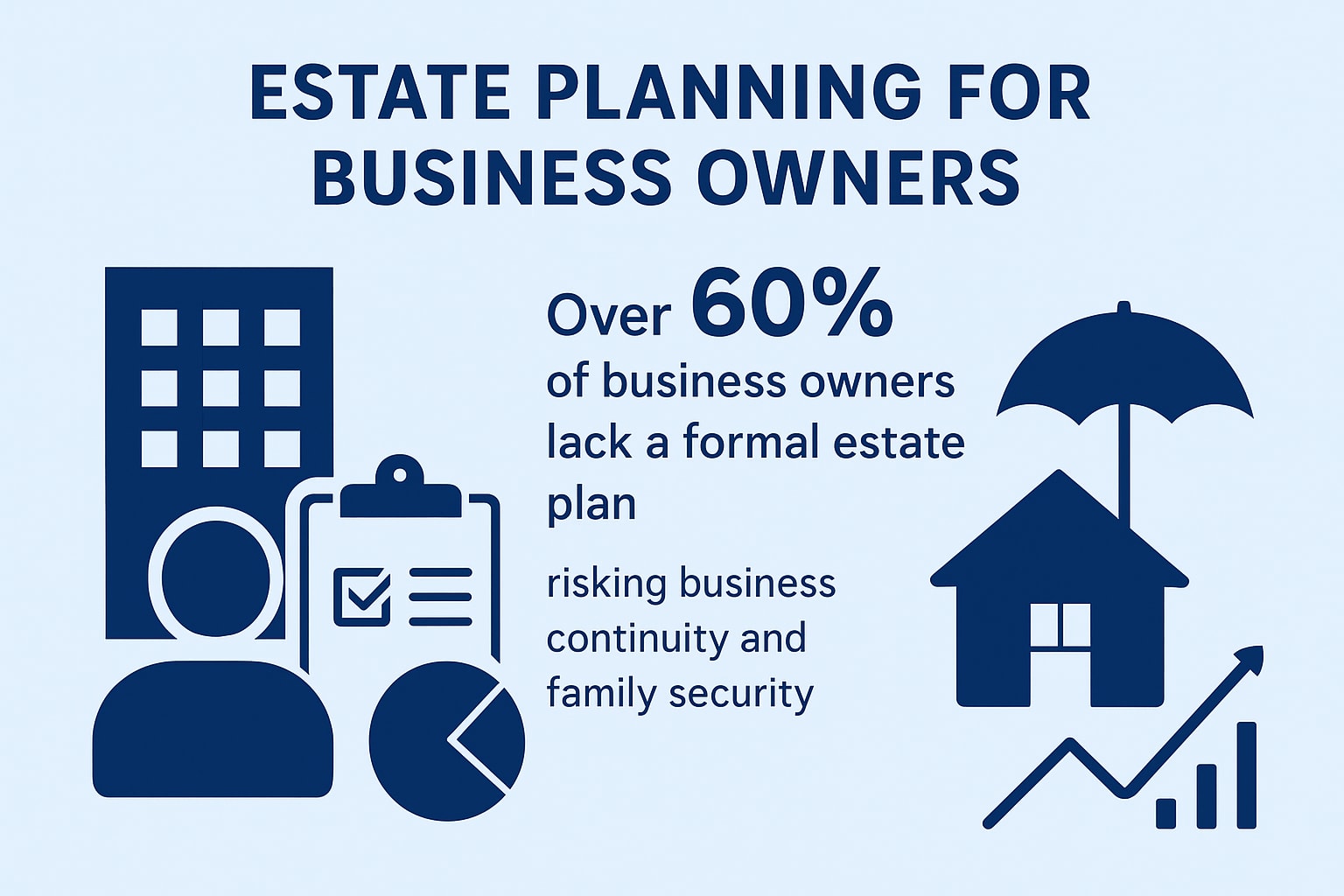
A comprehensive financial planning retirement planner includes a well-thought-out estate plan. Updated wills, powers of attorney, and beneficiary designations are essential to ensure your wishes are respected.
Tax-efficient wealth transfer strategies can help you leave more to your loved ones, while charitable giving lets you make a lasting impact. For deeper insights into estate planning essentials, read the Essential guide to estate and legacy planning.
Safeguarding Against Fraud and Elder Abuse
Unfortunately, retirees are often targeted by fraudsters and scammers. Recognizing red flags—like unsolicited offers or requests for confidential information—is key to staying safe.
Set up safeguards, such as appointing a trusted contact person and regularly monitoring your accounts. A vigilant approach, combined with a financial planning retirement planner, helps protect your assets and your peace of mind.
Reviewing and Updating Your Plan Regularly
A retirement plan is not static. Life events, market changes, and new regulations mean your financial planning retirement planner must evolve. Schedule annual check-ins to review your goals, adjust your strategies, and update important documents.
Regular reviews ensure you stay on track, adapt to new challenges, and continue to protect your retirement dreams.
Step 5: Leveraging the Latest Retirement Planning Tools & Trends for 2025
Technology is transforming the way Canadians approach retirement. In 2025, the right financial planning retirement planner can help you navigate new challenges and seize emerging opportunities. Let us explore the latest digital tools, trends, and strategies to keep your retirement plan ahead of the curve.
Digital Tools and Resources
The digital revolution has brought a wave of powerful resources for your financial planning retirement planner. Canadians now have access to user-friendly retirement calculators, detailed budgeting apps, and robo-advisors that automate portfolio management. These platforms simplify tracking your savings, projecting future income, and adjusting investments in real time.
Consider popular options such as Wealthsimple, RBC Retirement Planner, and the Canada.ca Retirement Income Calculator. Online education, webinars, and retirement planning communities offer support and fresh insights, making it easier to stay engaged and informed.
Trends Shaping Retirement in 2025
Several key trends are shaping how you use a financial planning retirement planner this year. ESG (environmental, social, governance) investing is gaining popularity, as more retirees seek to align their portfolios with their values. Flexible work options, including remote work and phased retirement, allow you to supplement income and stay active.
Multi-generational planning is also on the rise. Many Canadians are supporting adult children or aging parents, so your retirement plan needs to account for these evolving family dynamics. Staying agile in your approach helps you adapt to these trends.
Staying Informed and Adapting
Adapting your financial planning retirement planner to changing circumstances is essential. Regulations, tax laws, and market conditions evolve, so staying up to date is key. Leveraging professional networks and advisory services can provide timely advice and support.
A recent 2025 Global Retirement Reality Report: Canada Snapshot reveals that 68 percent of retirees who use planning tools feel more confident about their future. This highlights the value of continuous learning and proactive planning.
Building a Retirement Plan That Lasts
A future-proof financial planning retirement planner is built on flexibility and ongoing education. Embrace digital tools, stay open to new investment options, and schedule regular reviews to adjust your plan as life changes. Consider creating checkpoints throughout the year to reassess your goals, risk tolerance, and income needs.
By staying informed, embracing innovation, and remaining adaptable, you can ensure your retirement plan remains resilient and rewarding well into the future. After exploring what it really takes to build a retirement plan for 2025—from setting clear goals to navigating tax strategies and adapting to new trends—you might be wondering, “Am I truly on the right track?” You don’t have to figure it all out alone. I help people just like you bring clarity and confidence to their retirement journey, blending business success with personal wealth. If you’re curious how a second set of expert eyes could strengthen your plan or uncover new opportunities, why not get a second opinion? Sometimes, a fresh perspective is all you need to move forward with peace of mind.
Comments